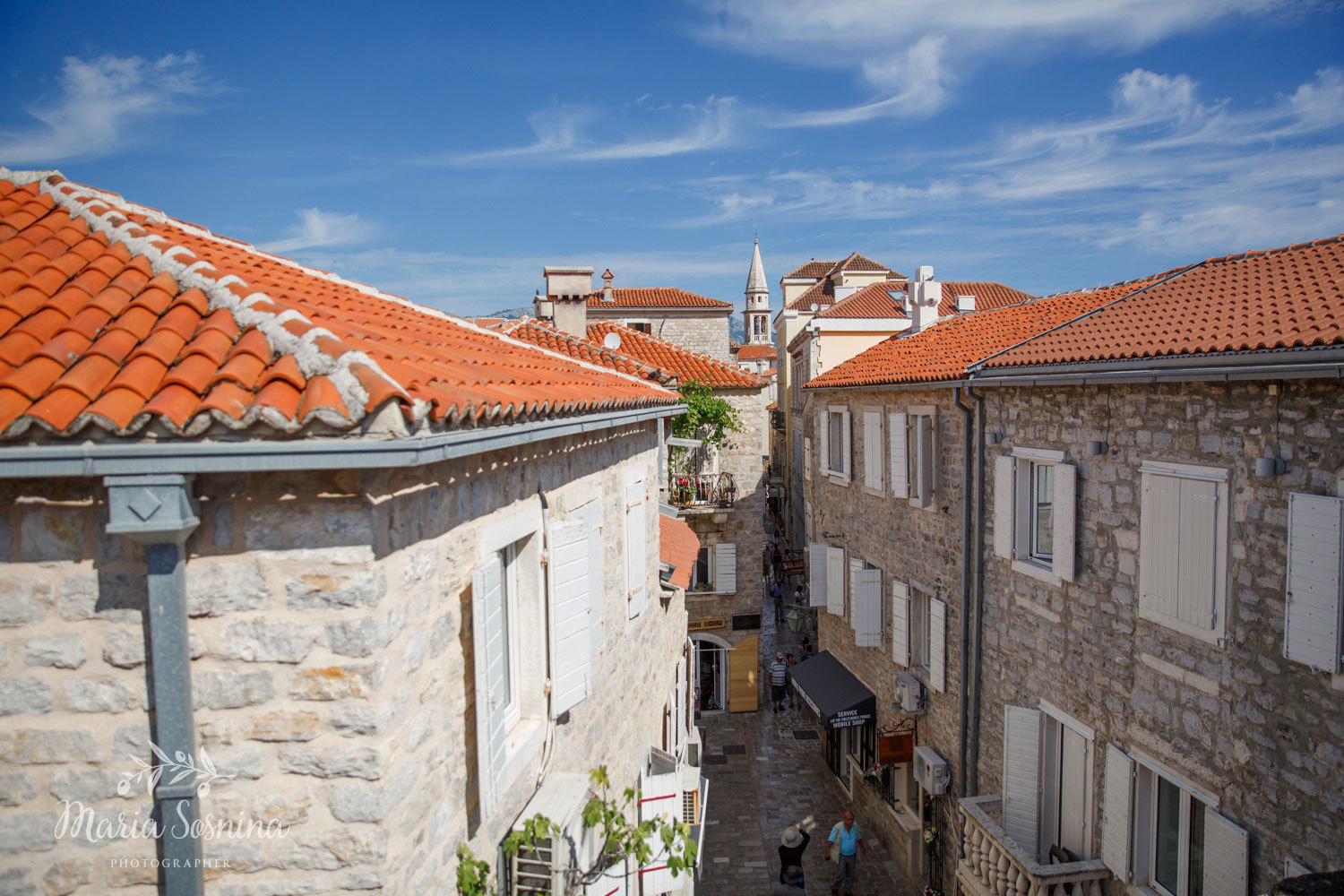
Looking for a place in Montenegro where history isn’t hidden behind freshly restored façades? Then put Stari Bar (Old Town Bar) on your list: the ruins of a medieval town on a rocky outcrop at the foot of Mount Rumija, a few kilometres from the sea and from modern Bar.
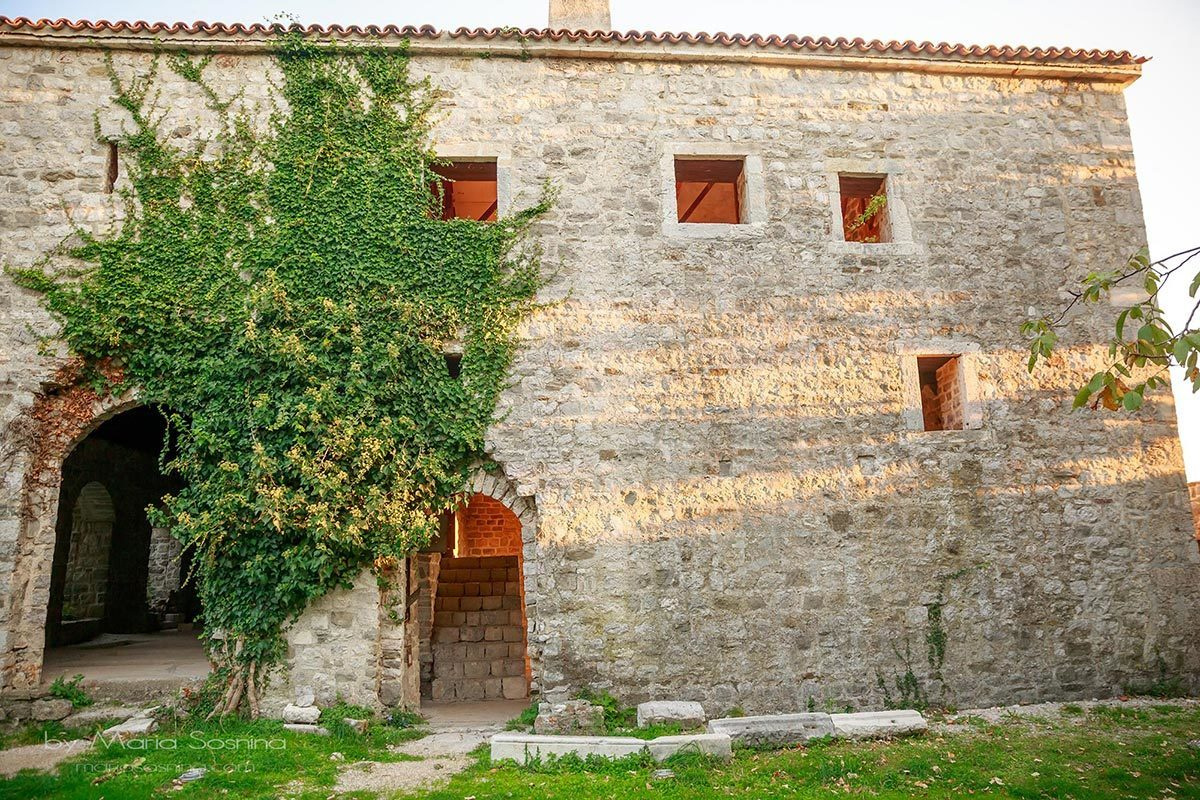
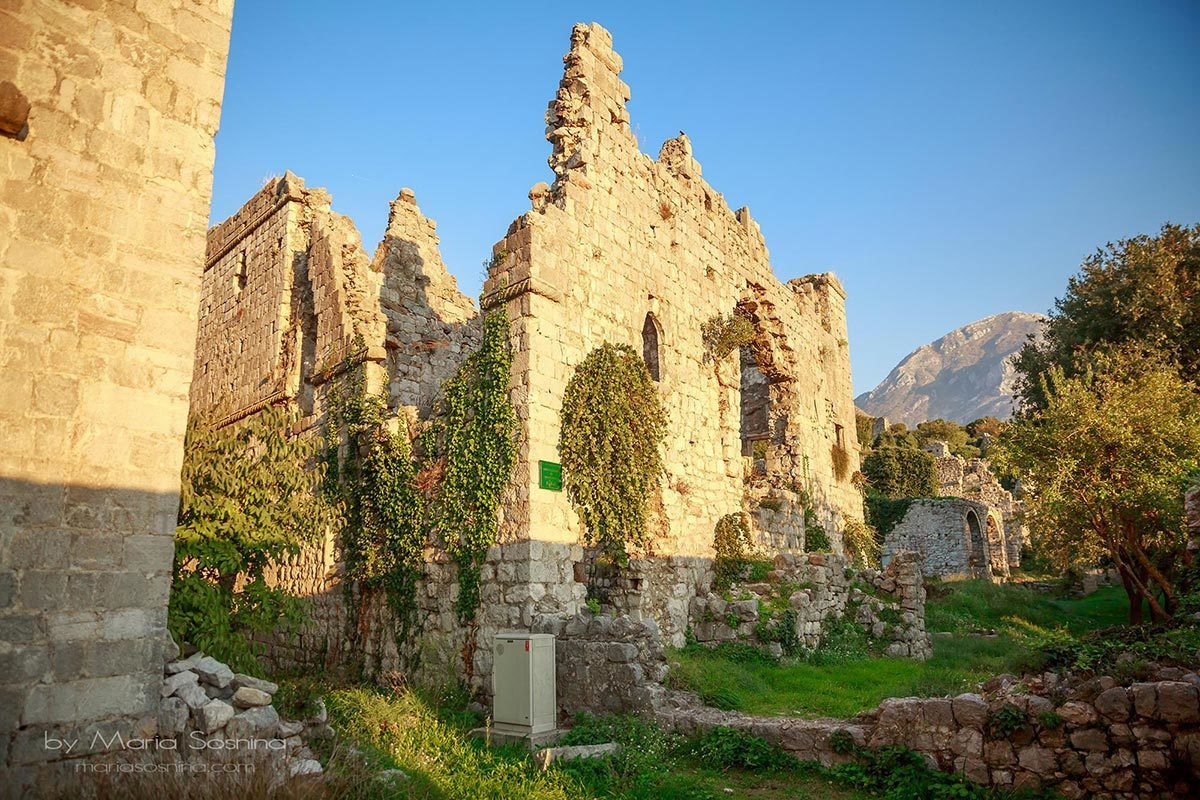
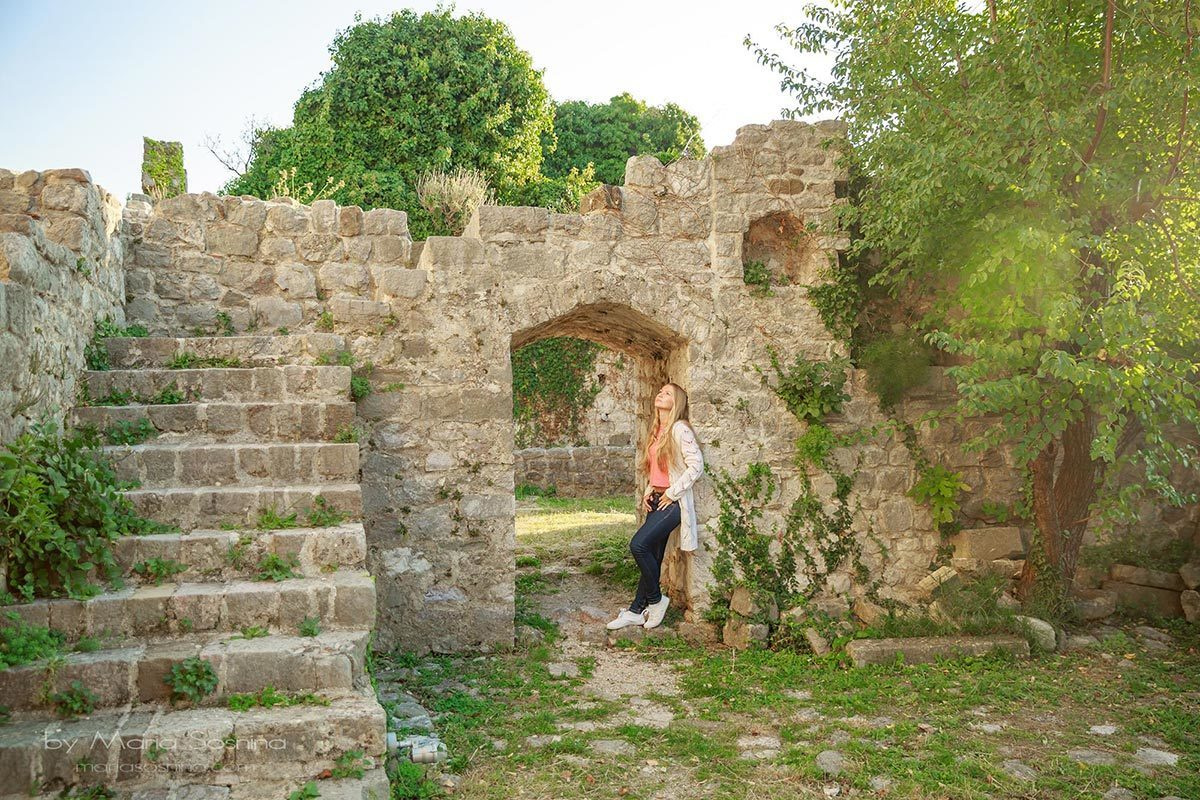
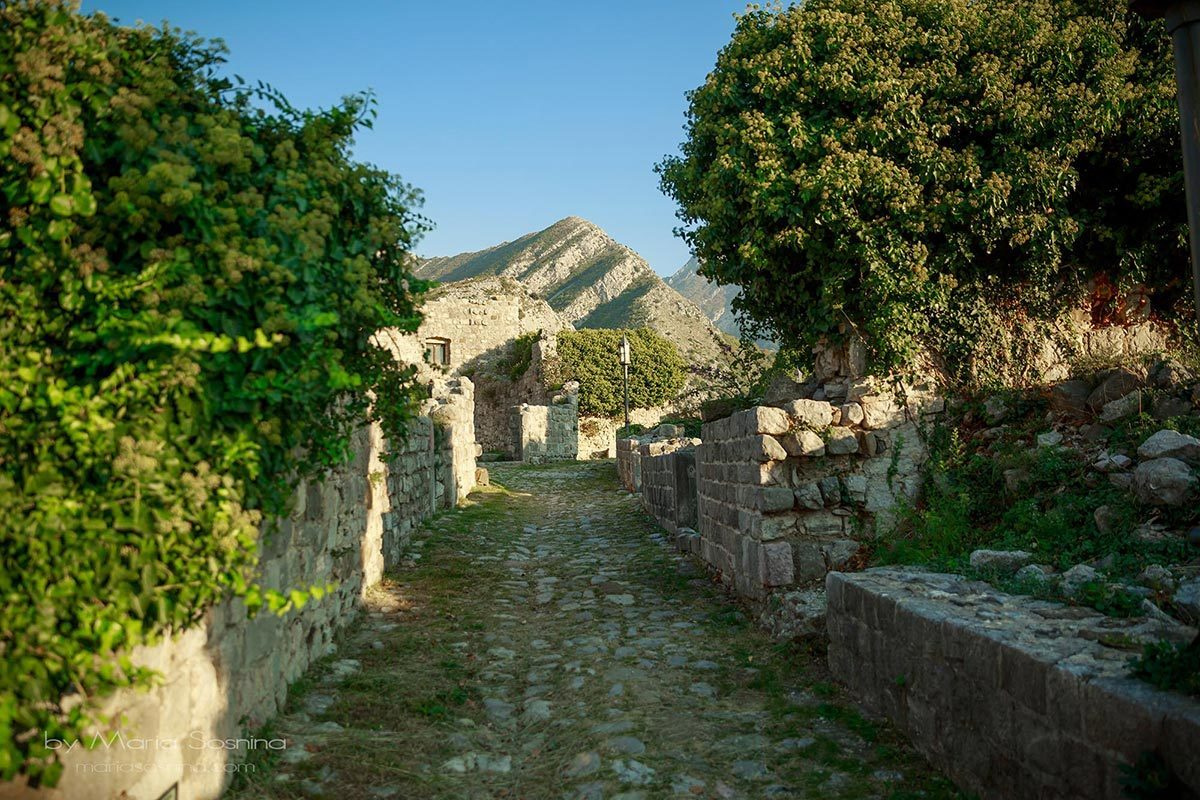
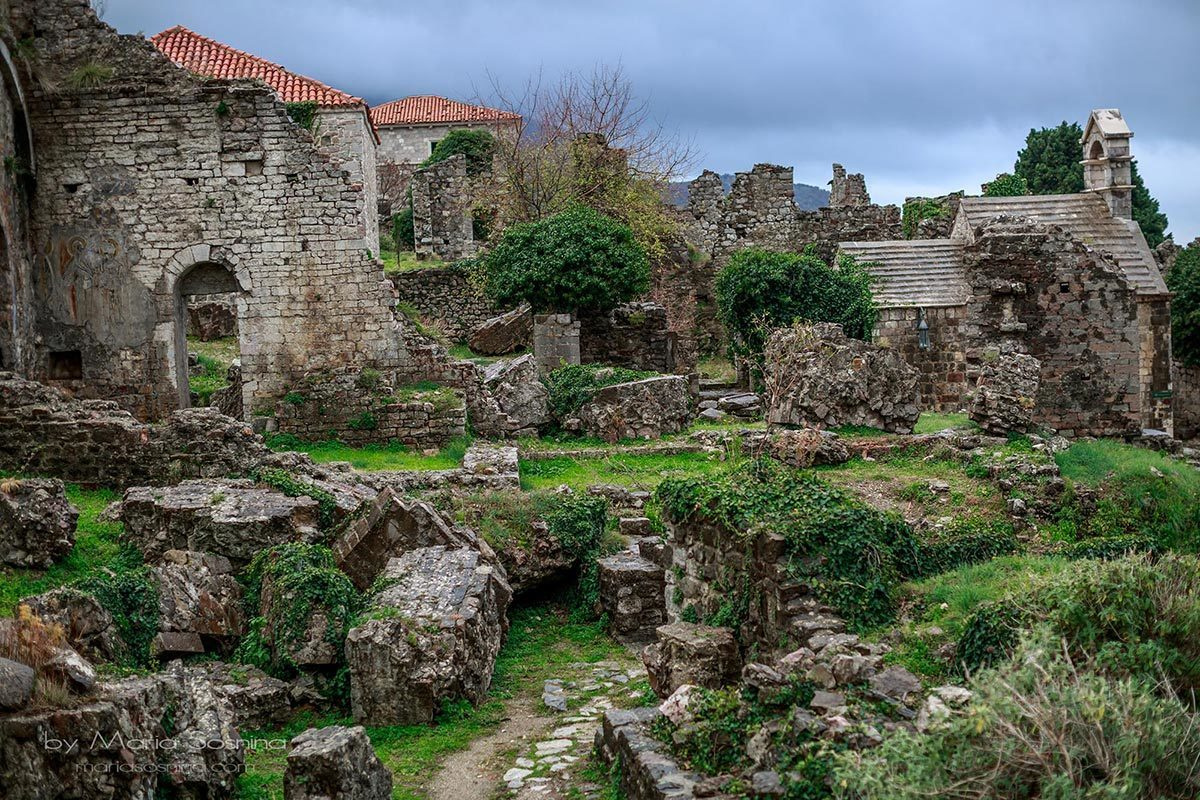
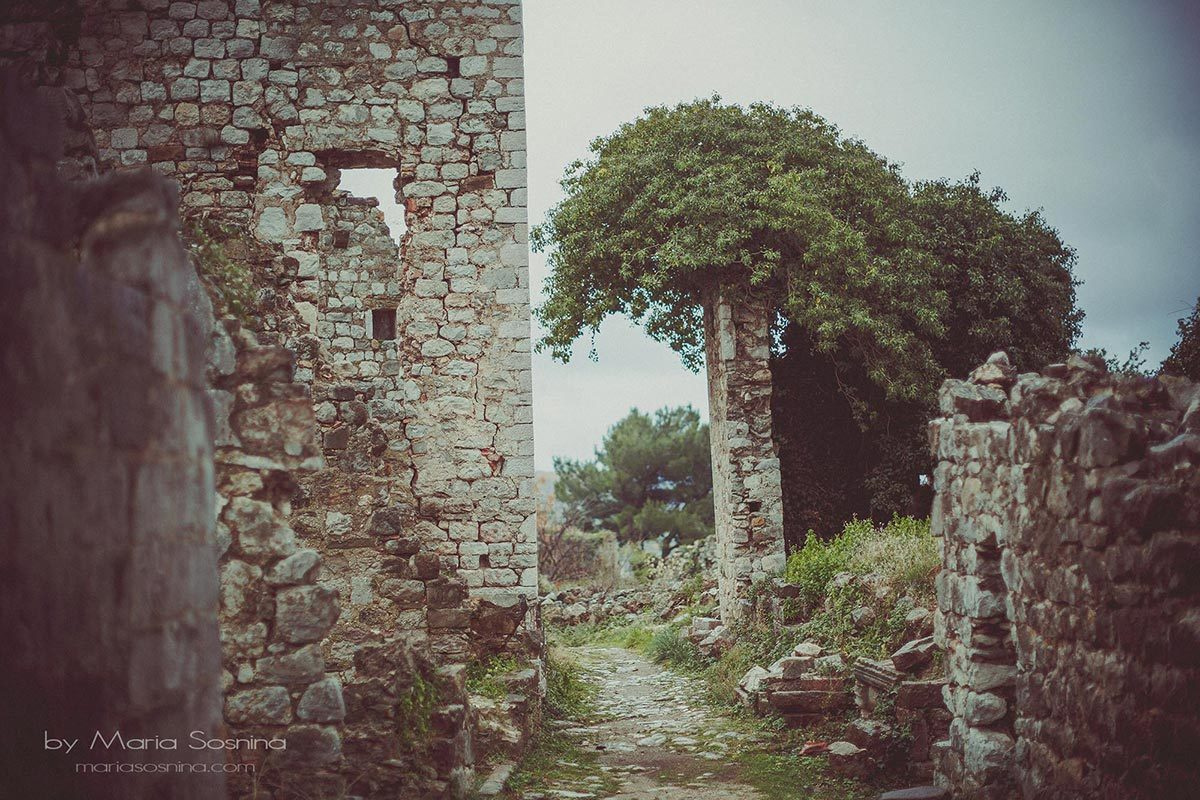
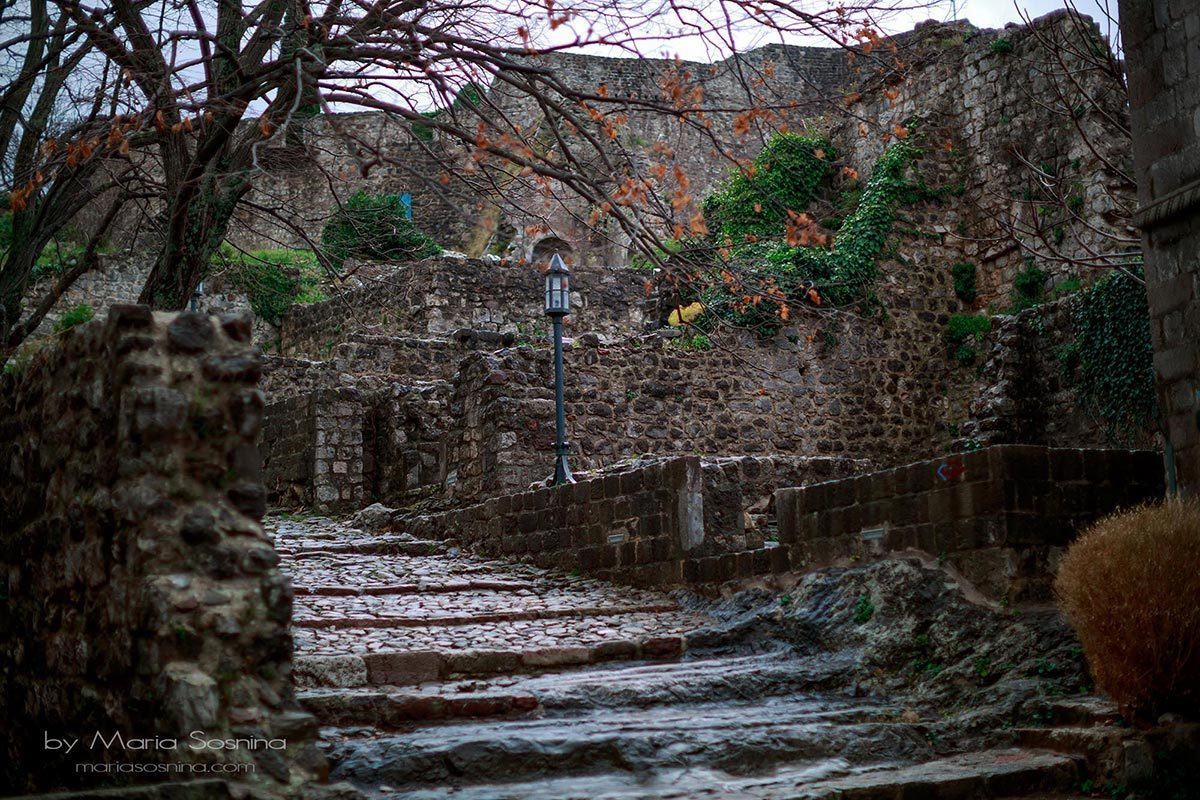
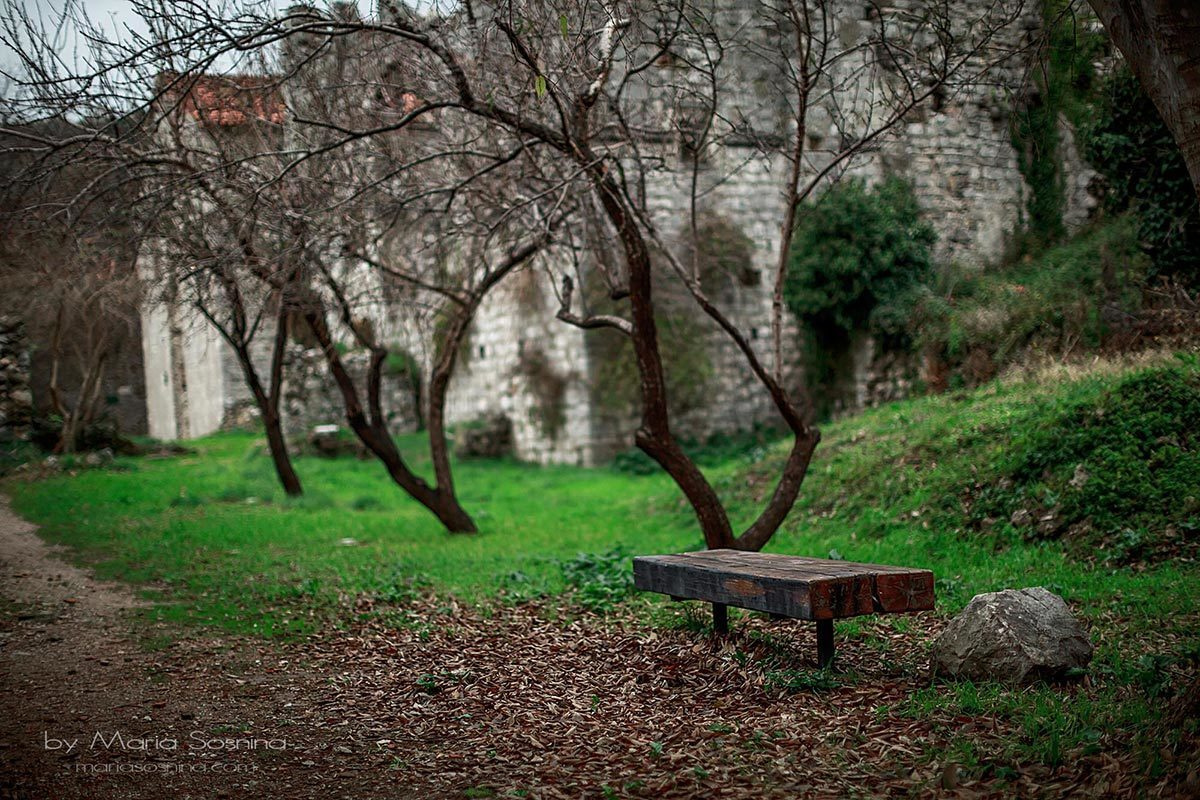
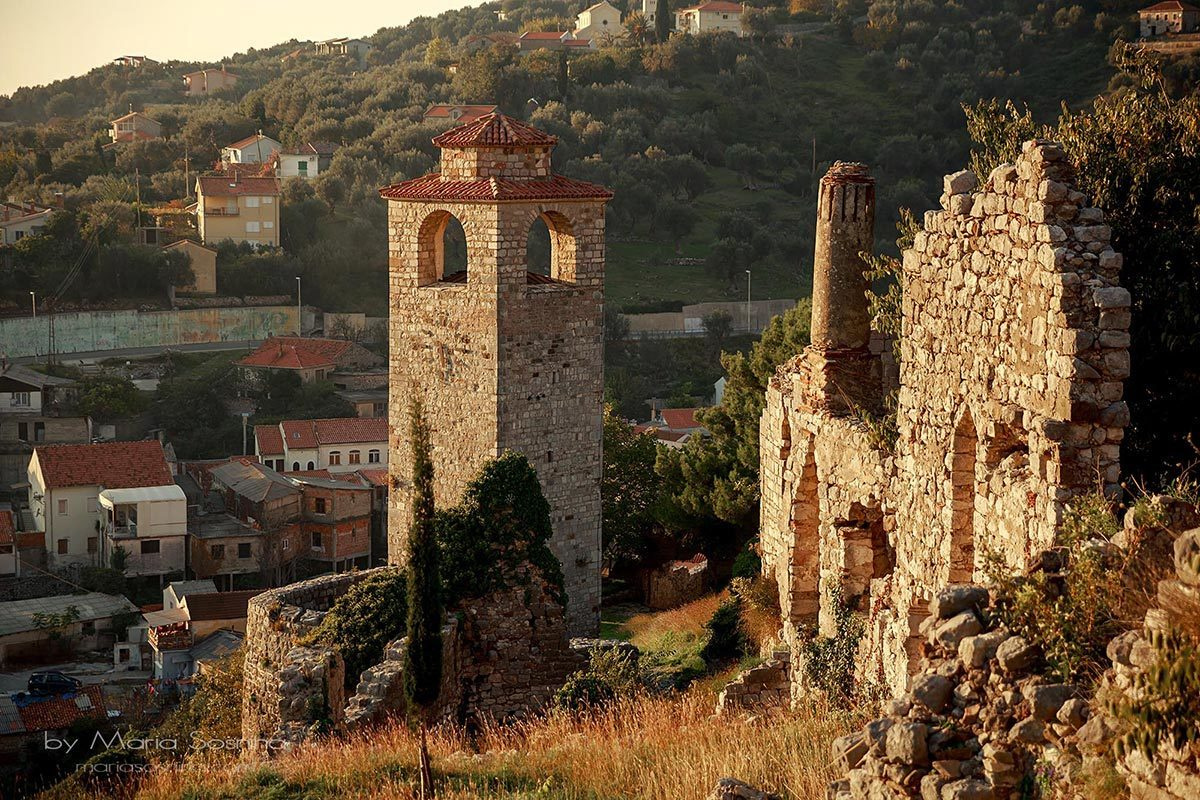
For us, Stari Bar in Montenegro is a true open-air museum. The remains of a cathedral, a clock tower, a Turkish bath and an aqueduct still stand here, with overgrown lanes winding between them that you could wander for hours.
Stari Bar at a glance
- Where: on a rocky outcrop by Mount Rumija, about 4 km from the sea, above the new town of Bar.
- What it is: an abandoned town that was never rebuilt after the siege of 1877-1878.
- What to see: the citadel, the ruins of St George’s Cathedral, the clock tower, the hammam and the 17-arch aqueduct.
- Status: on UNESCO’s World Heritage Tentative List since 2010.
- Entry: there’s a fee, so check prices and opening hours on site.
Below, we explain how these ruins came to be, what to see inside the walls and where to stop on the way.
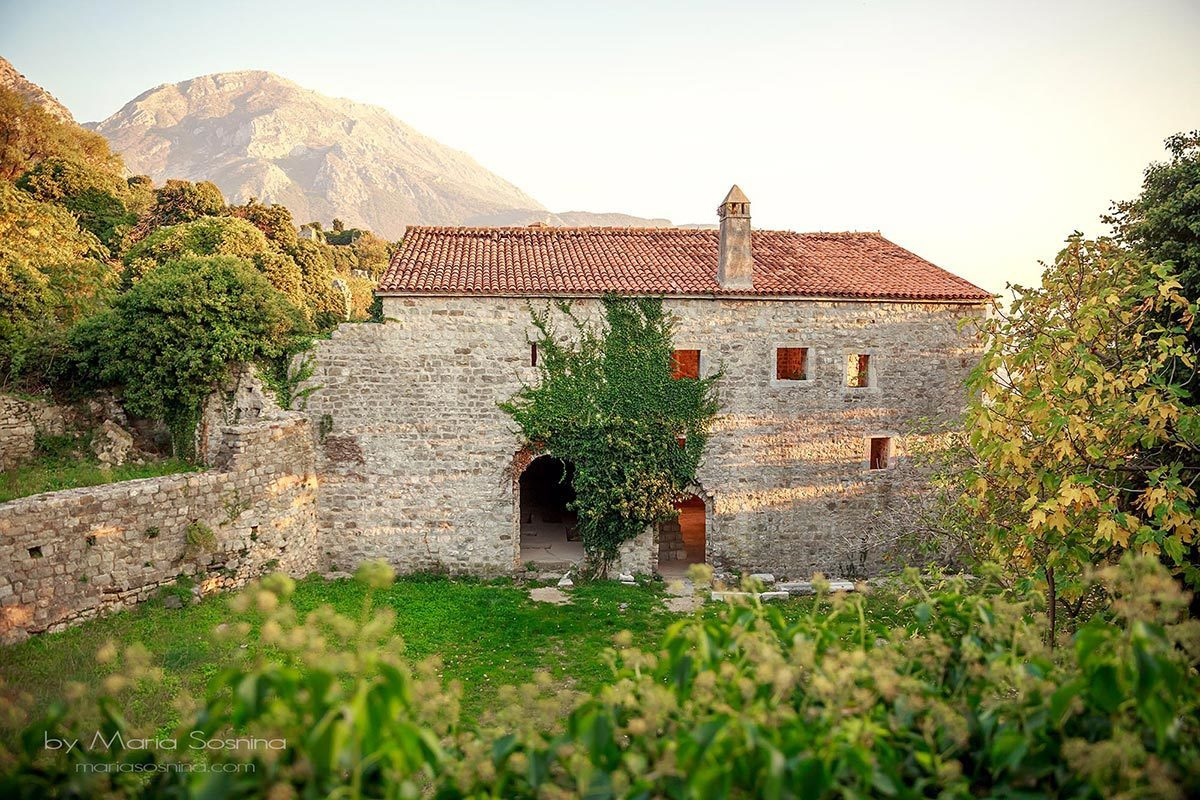
Where is Stari Bar in Montenegro and how do you get there?
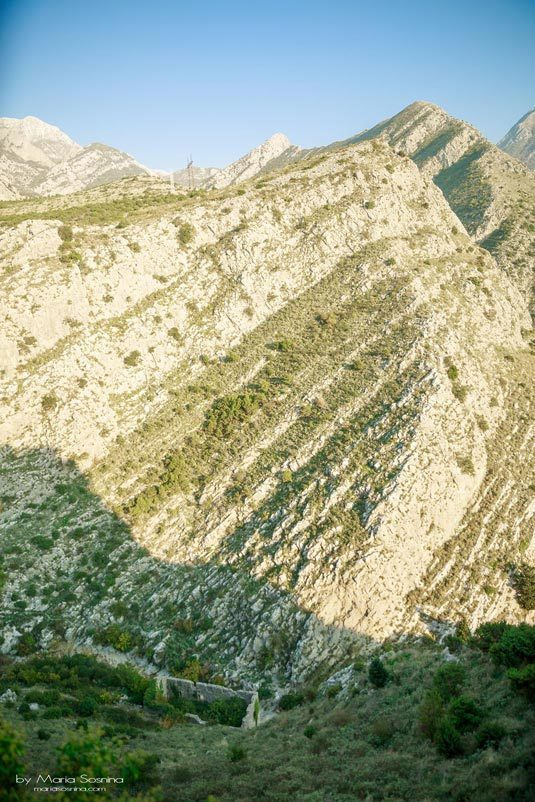
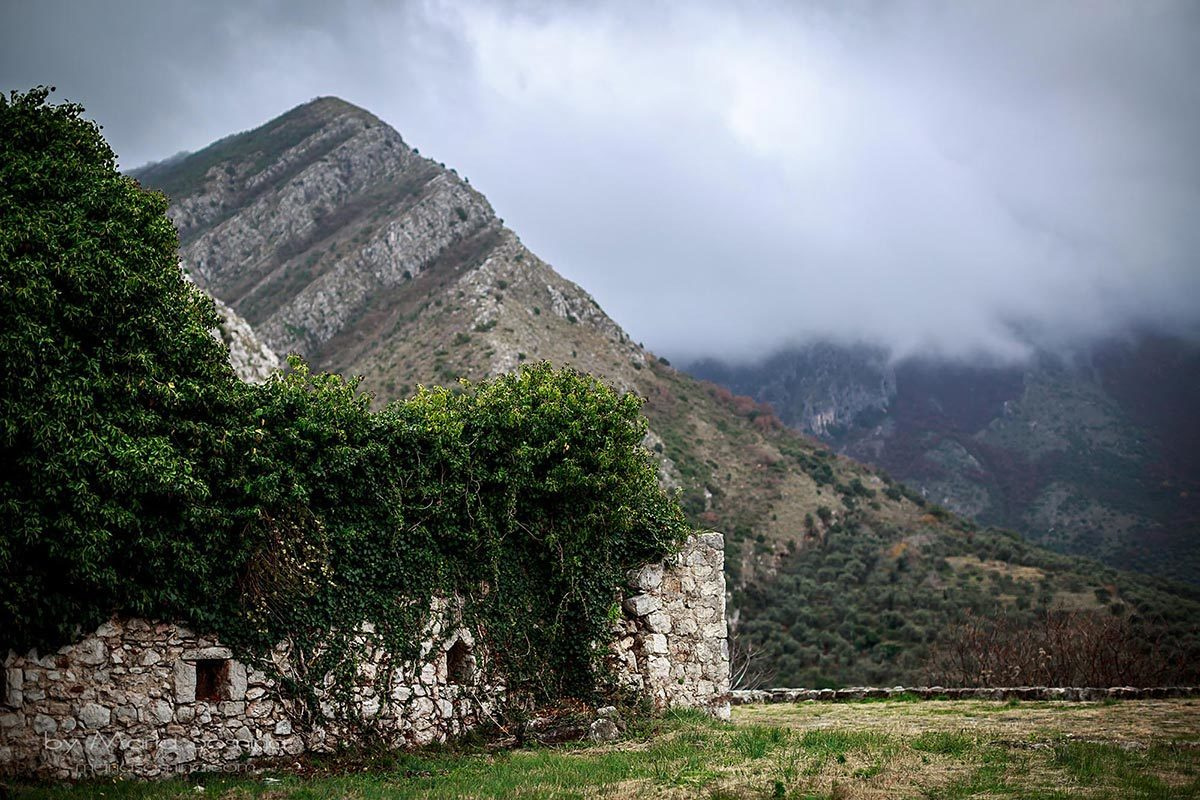
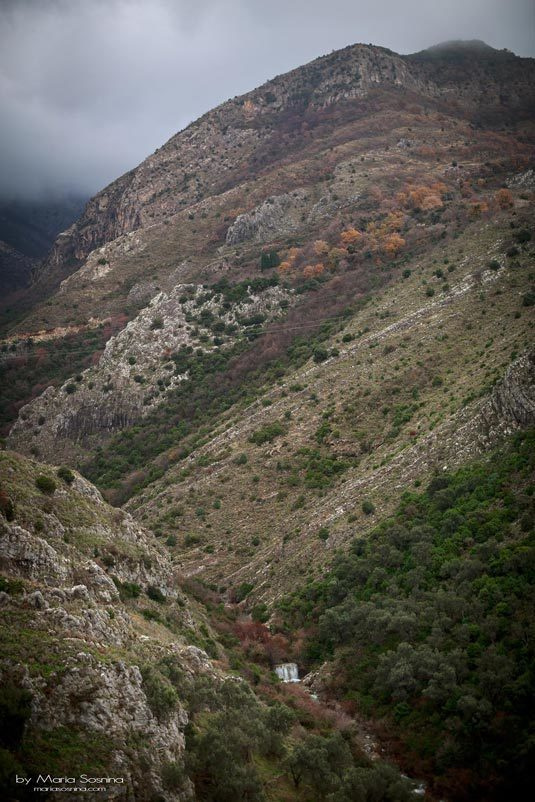
Stari Bar sits in the south of Montenegro, on a rocky hill by Mount Rumija, about 4 km from the sea. Unlike Kotor, Budva and other old towns on the Adriatic, it doesn’t stand on the shore. The town was built on high ground overlooking the whole valley, with tall Rumija guarding its back.
The rock was chosen for a reason: the town can’t be reached from the east or south, and the only approach is a gentle slope on the west and north-west. Down below, modern Bar has a port and the terminus of the Belgrade-Bar railway, so getting here by train is easy.
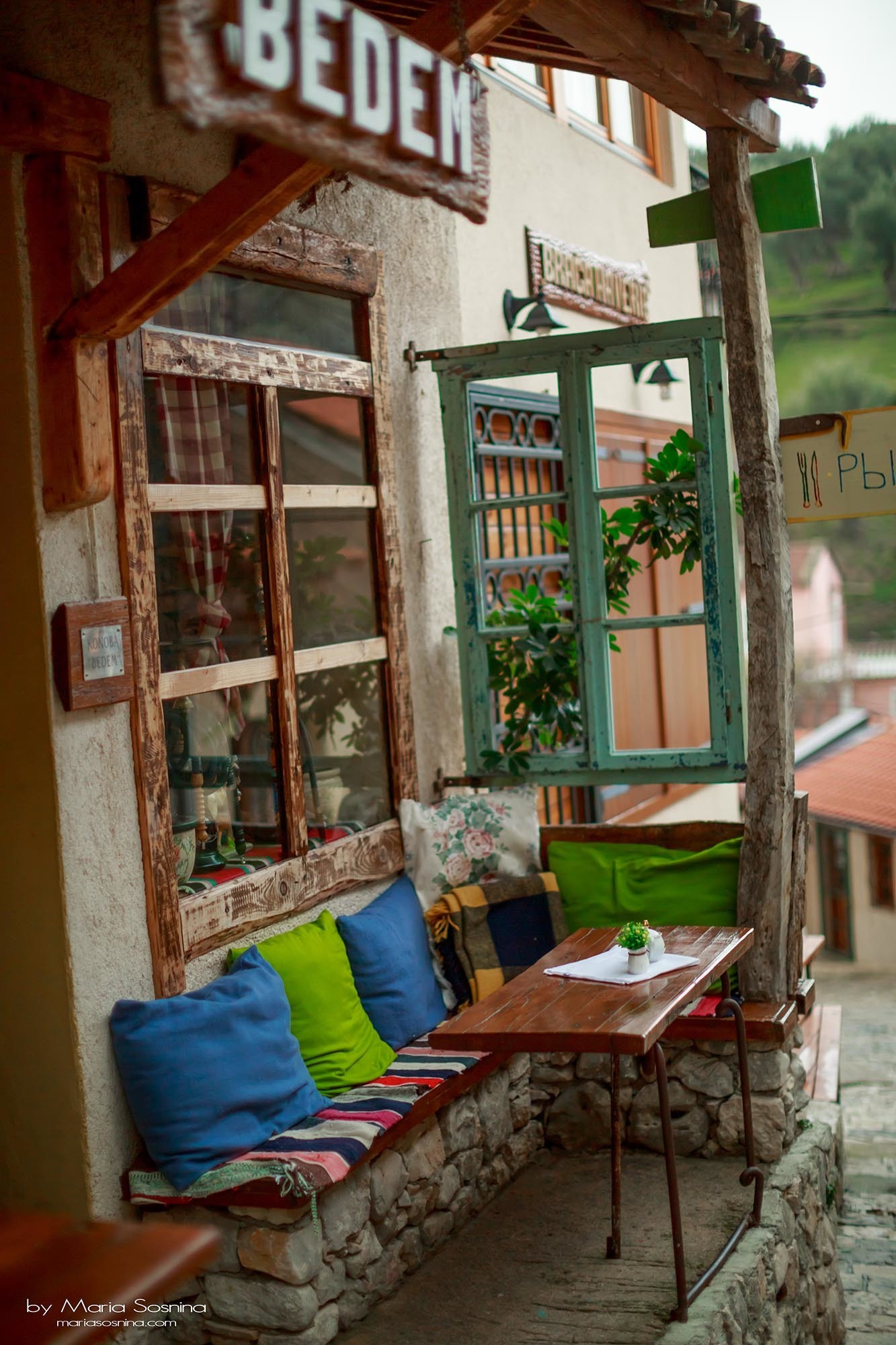
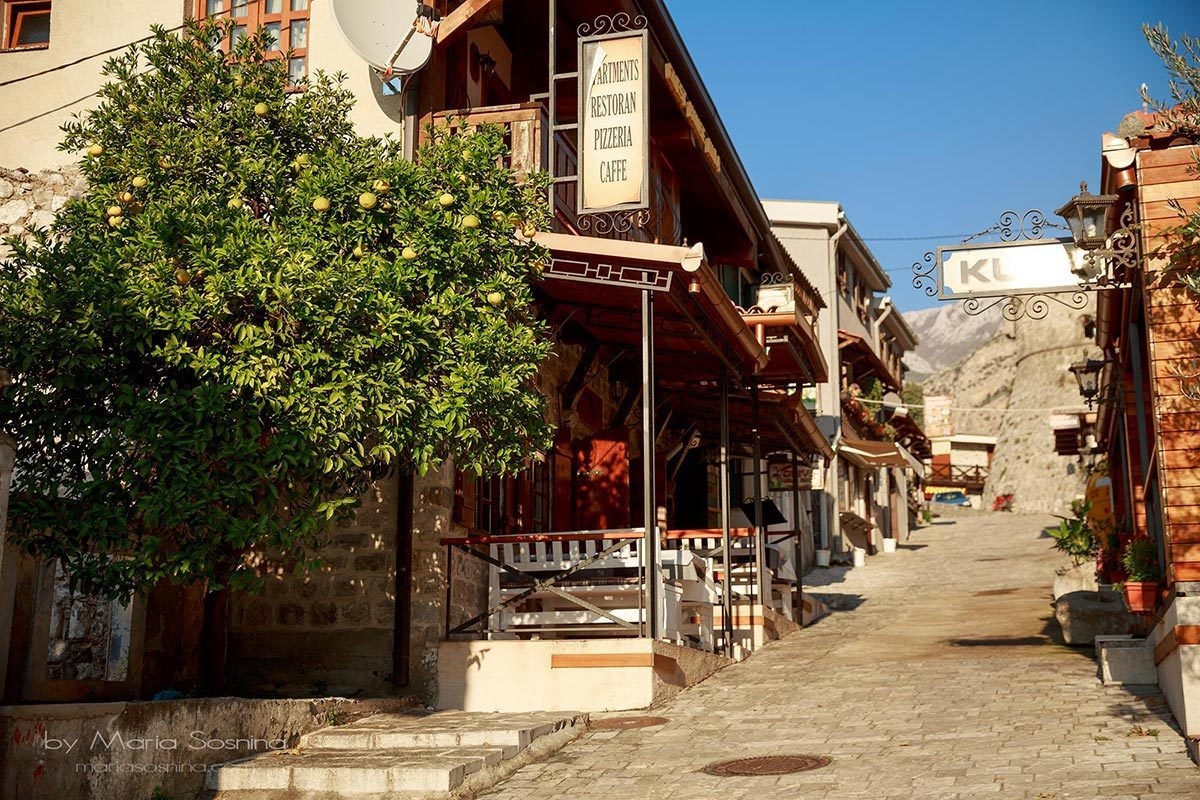
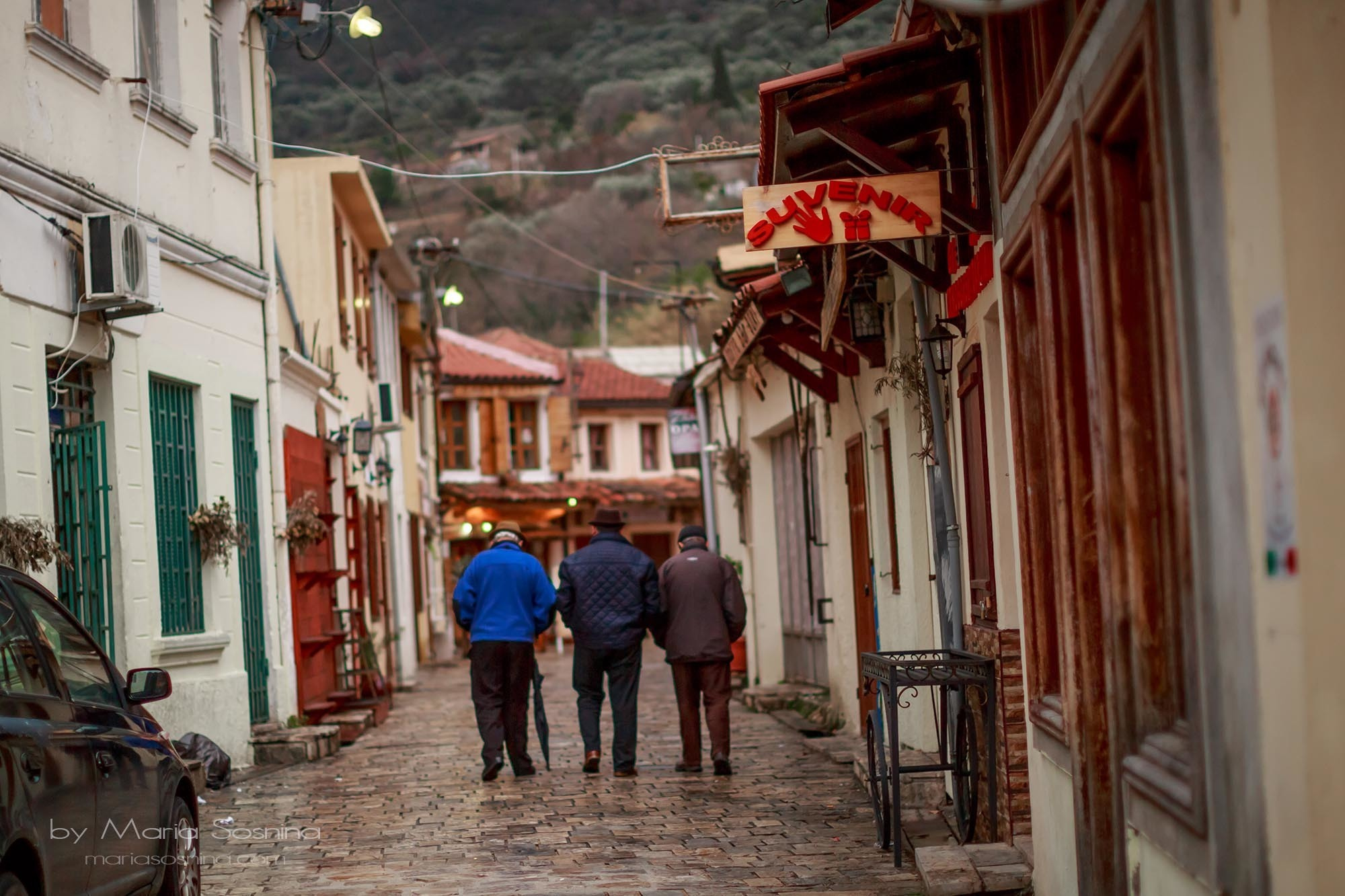
From new Bar, the easiest way up to the ruins is by car or taxi. A cosy cobbled lane lined with souvenir shops and cafés leads up to the entrance.
Why is Stari Bar in ruins?
Stari Bar has lain in ruins since the siege of 1877-1878, when the Montenegrin army fought to take the town from the Ottoman Empire. The shelling went on for more than seven weeks. On 5 January 1878 the Montenegrins blew up the aqueduct and cut off the town’s water, and on 9 January the Turkish garrison surrendered. The Congress of Berlin gave Bar to Montenegro that same year.
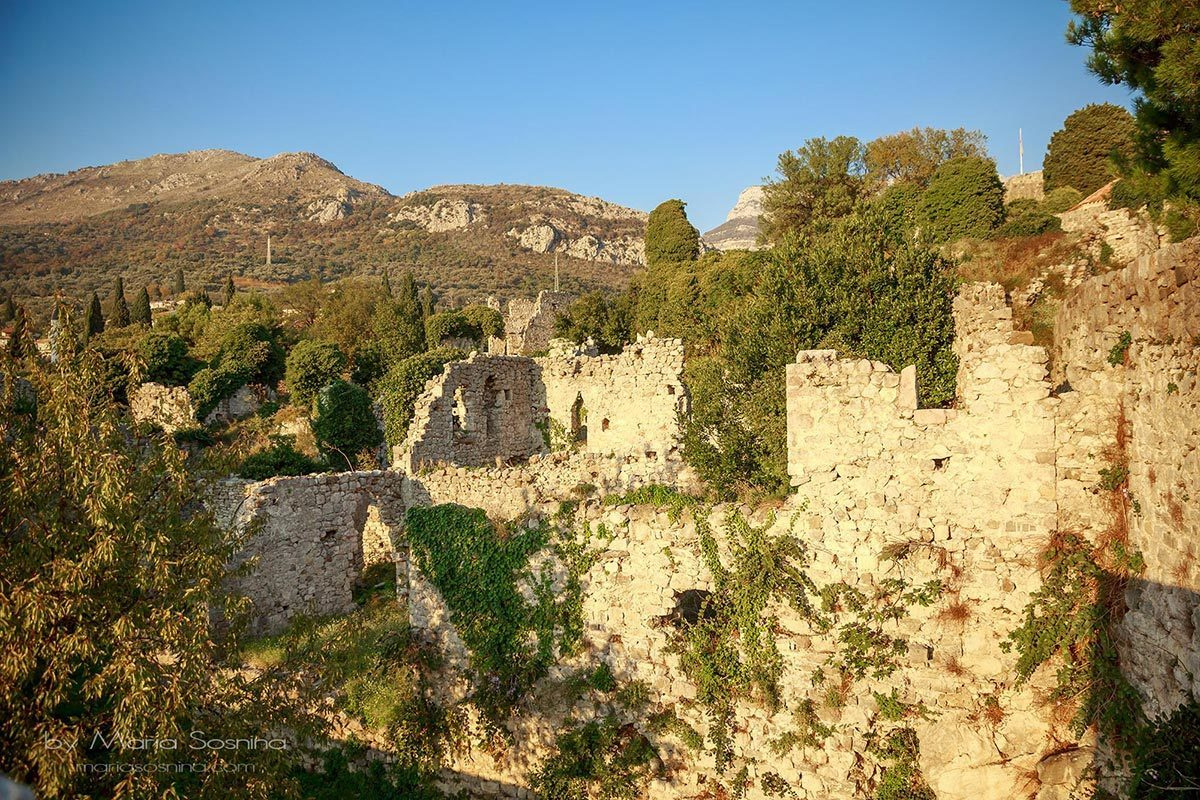
Before all that, the town had a very long history. The most common theory is that its old name, Antibarium, means ‘opposite Bari’, as the Italian port lies straight across the sea. Bar was Byzantine, then part of Duklja and the Serbian state. It was ruled by the Balšić dynasty and by Venice, and from 1571 to 1878 by the Ottoman Empire. You can still read every chapter in the architecture: among the ruins stand a cathedral, a Turkish bath and a minaret.
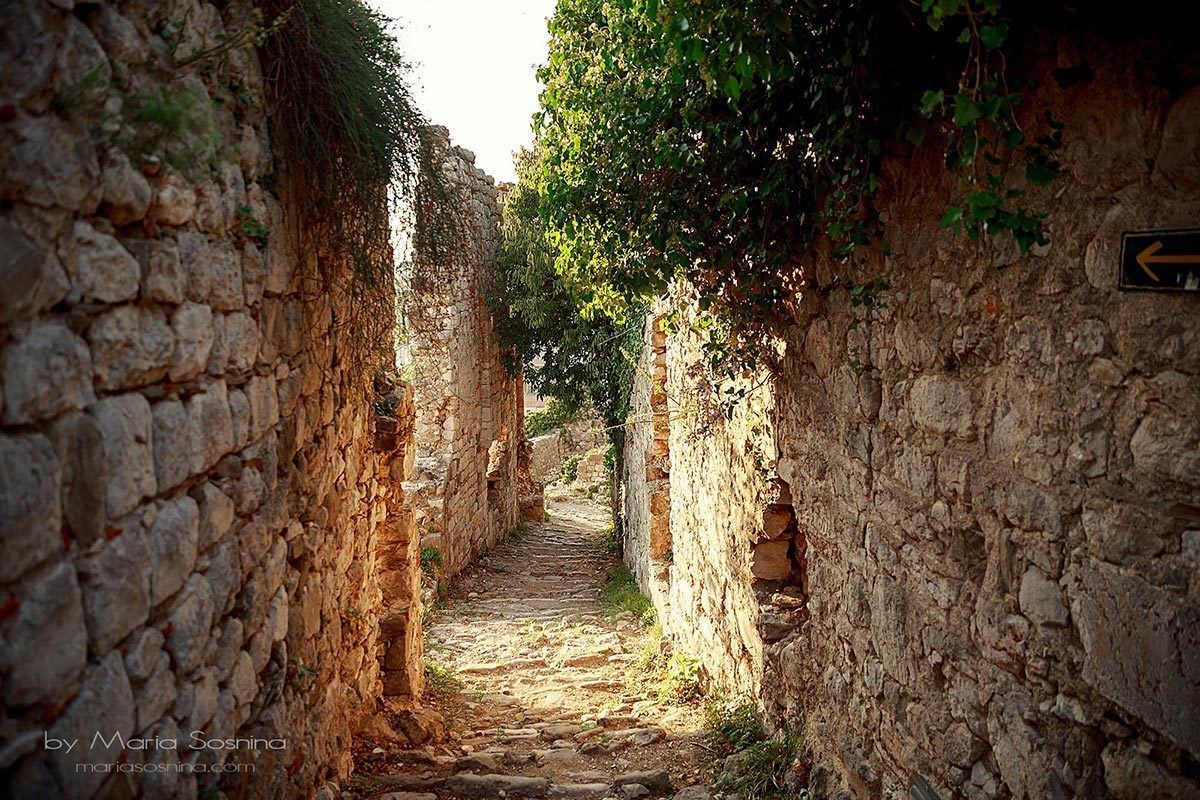
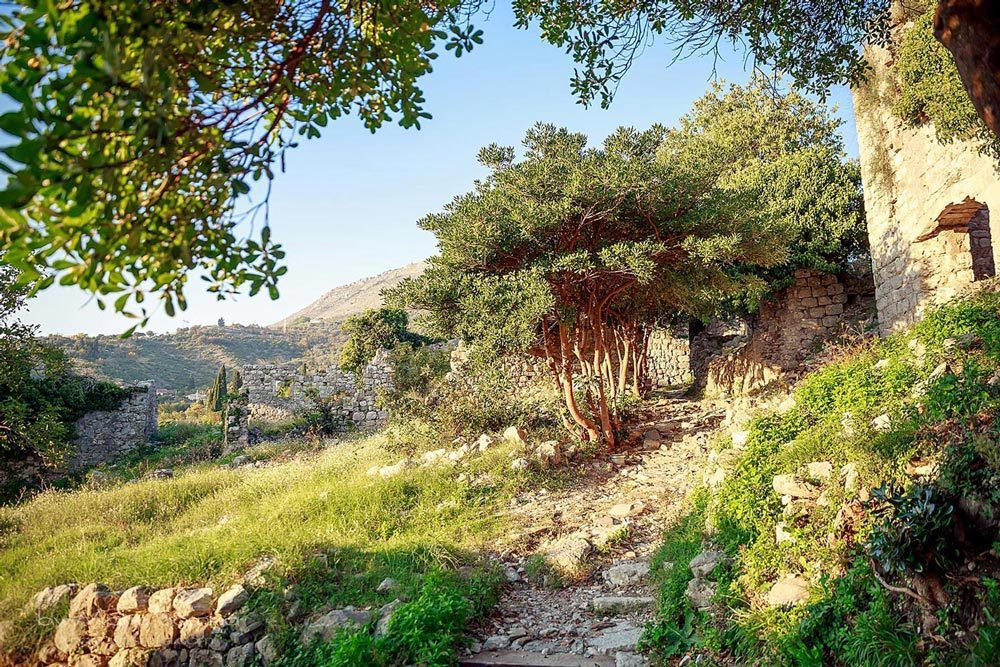
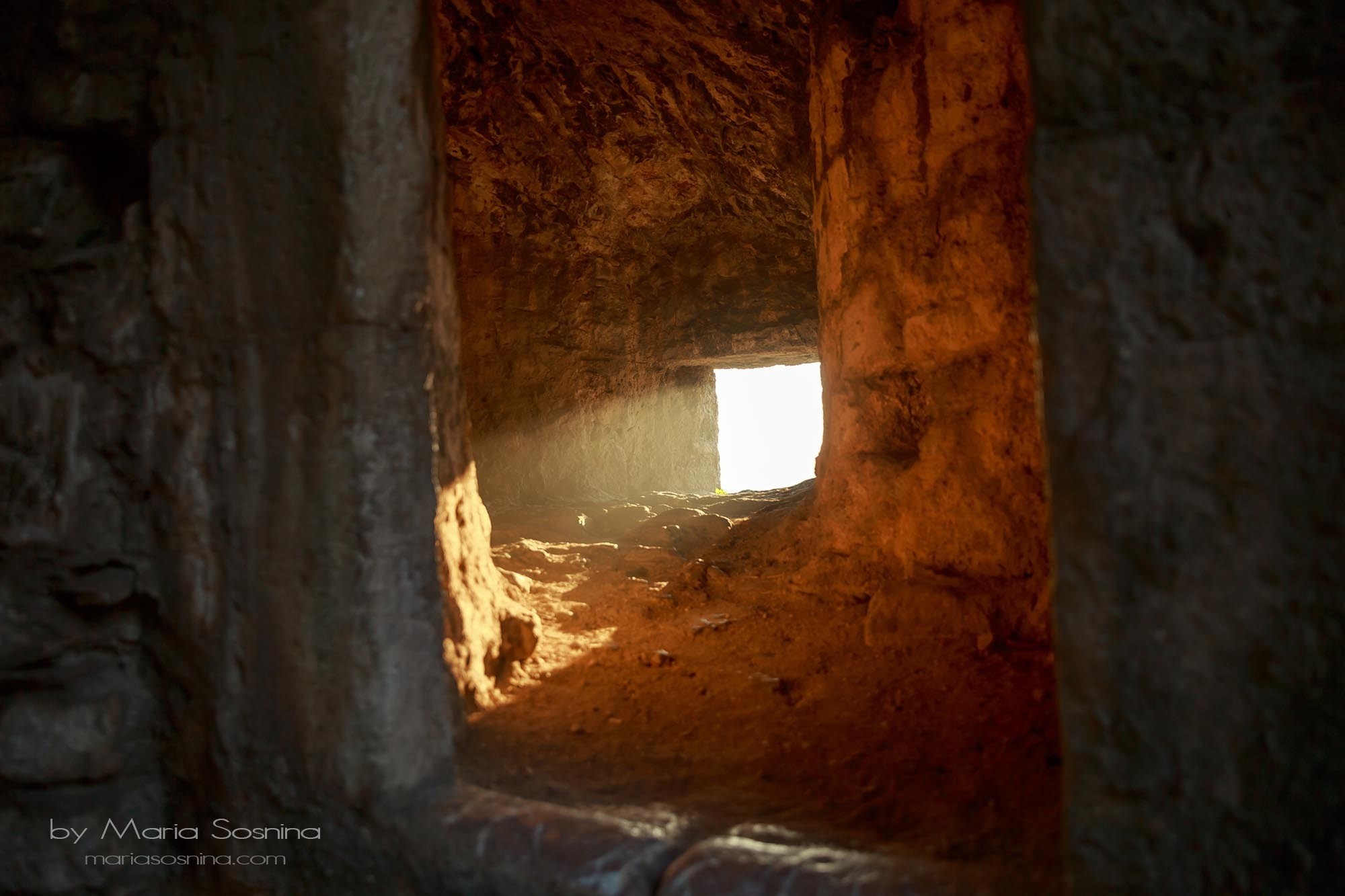
You can really feel the age of this place. It’s fascinating to walk these back lanes and imagine what it was like when the town was alive. People lived here, after all, with their everyday routines, their relationships, their homes.Mariia Sosnina
After the war, nobody rebuilt the town, and it has stood empty since the late 19th century. New Bar grew up below, by the sea. The 1979 earthquake destroyed the aqueduct, which was later restored.
What is there to see in Stari Bar?
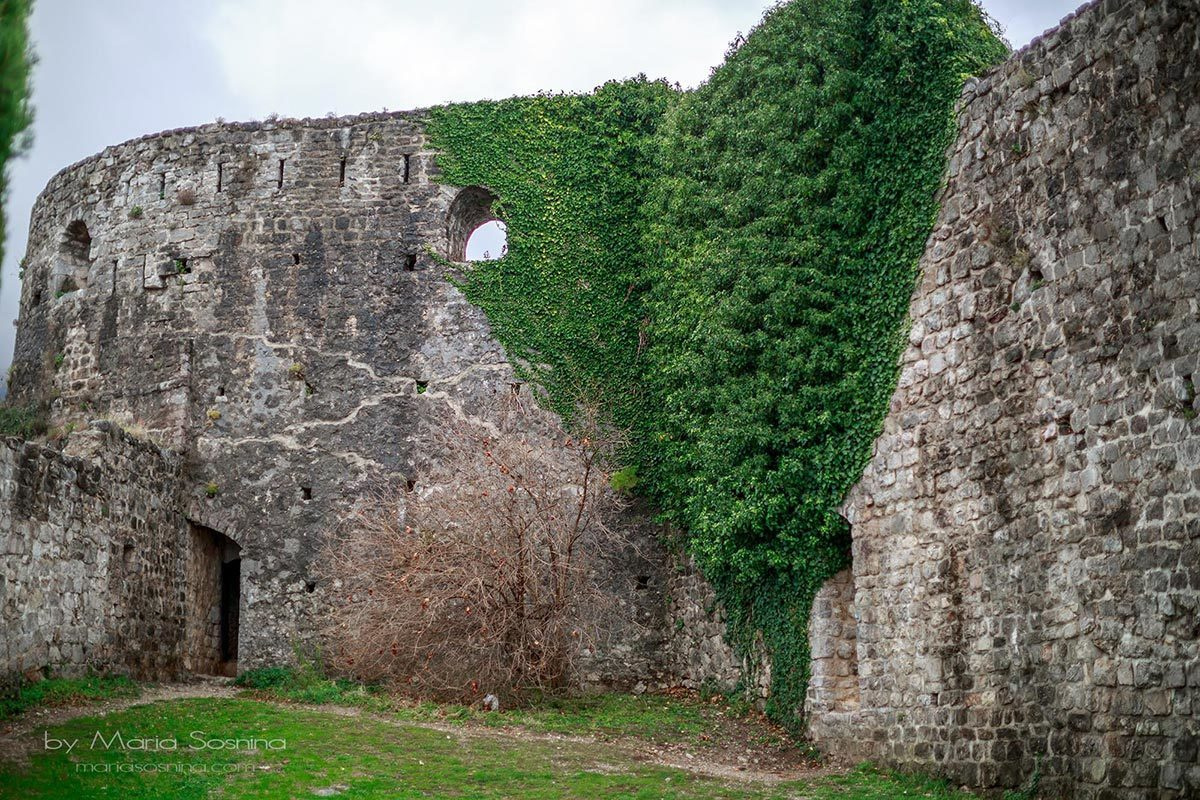
The must-sees in Stari Bar are the citadel, the ruins of St George’s Cathedral, the clock tower, the hammam and the aqueduct. They all sit inside the town walls or just outside them, so the route more or less plans itself.
The citadel
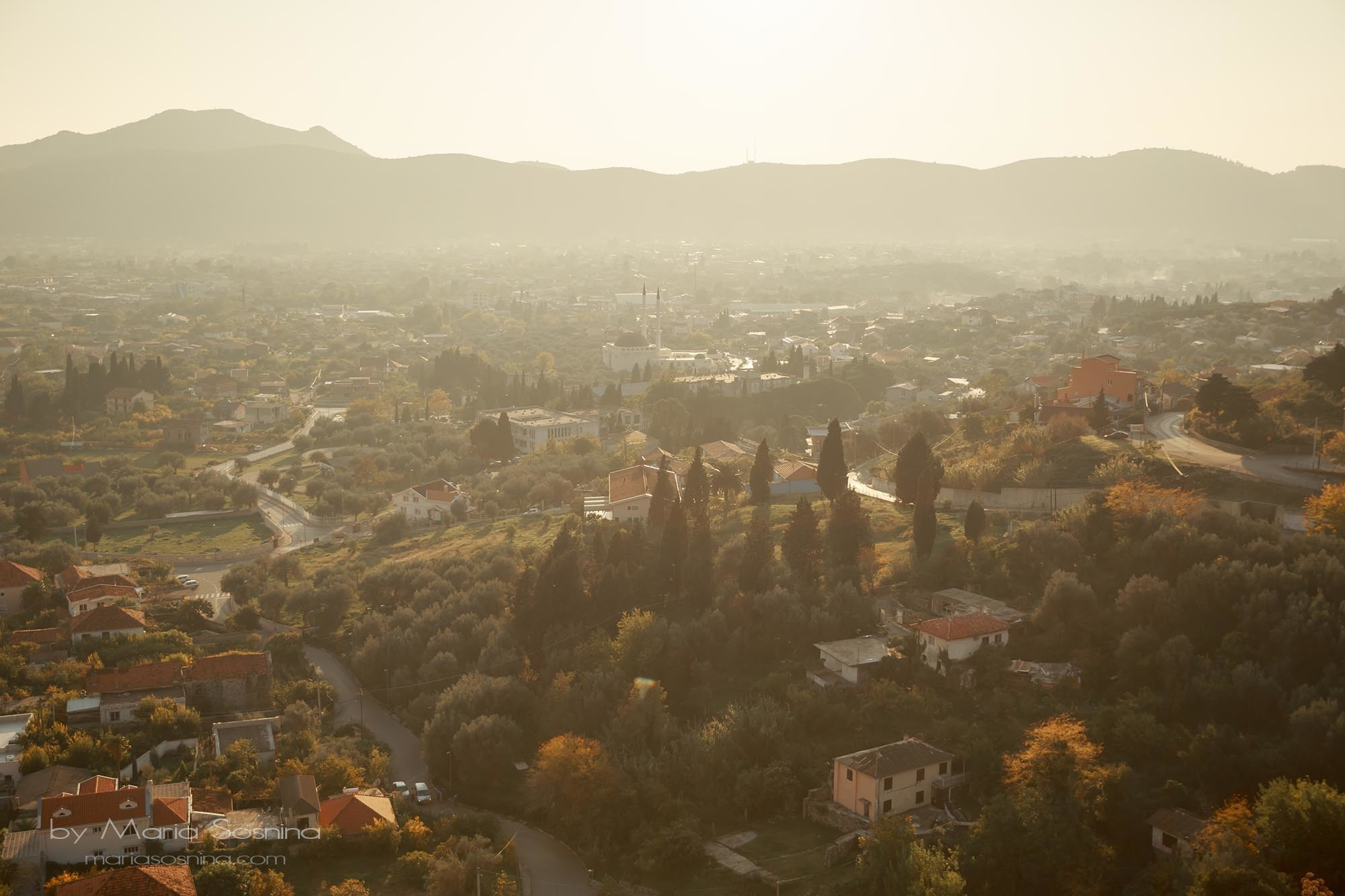
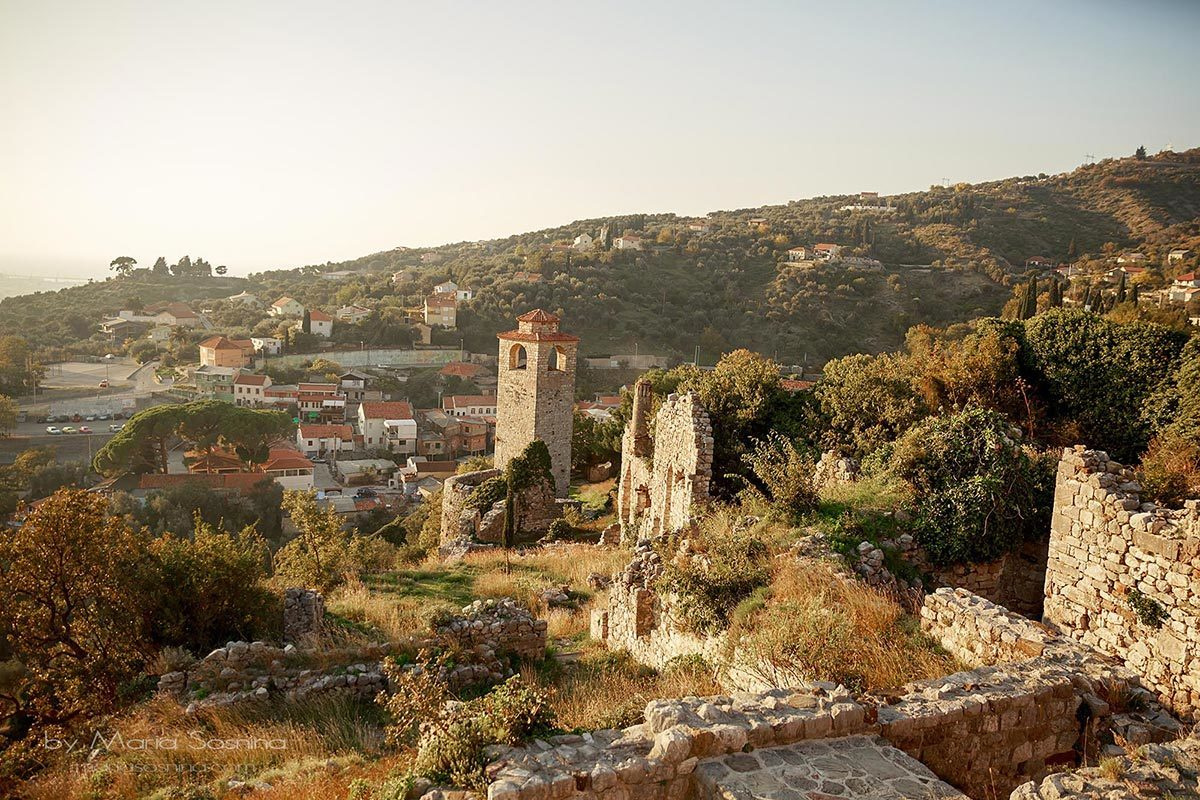
The citadel crowns the highest part of Stari Bar, and from up here it’s easy to see why the town was built on this particular rock. Below lies a valley of olive groves, and beyond it the sea and new Bar.
Ruins of St George’s Cathedral
St George’s Cathedral was built in the 12th century on the site of an even older church of St Theodore, and it was the seat of the Archbishops of Bar. Under Ottoman rule it became a mosque and later a gunpowder store. In 1881 the gunpowder exploded and almost completely destroyed the cathedral.
The clock tower
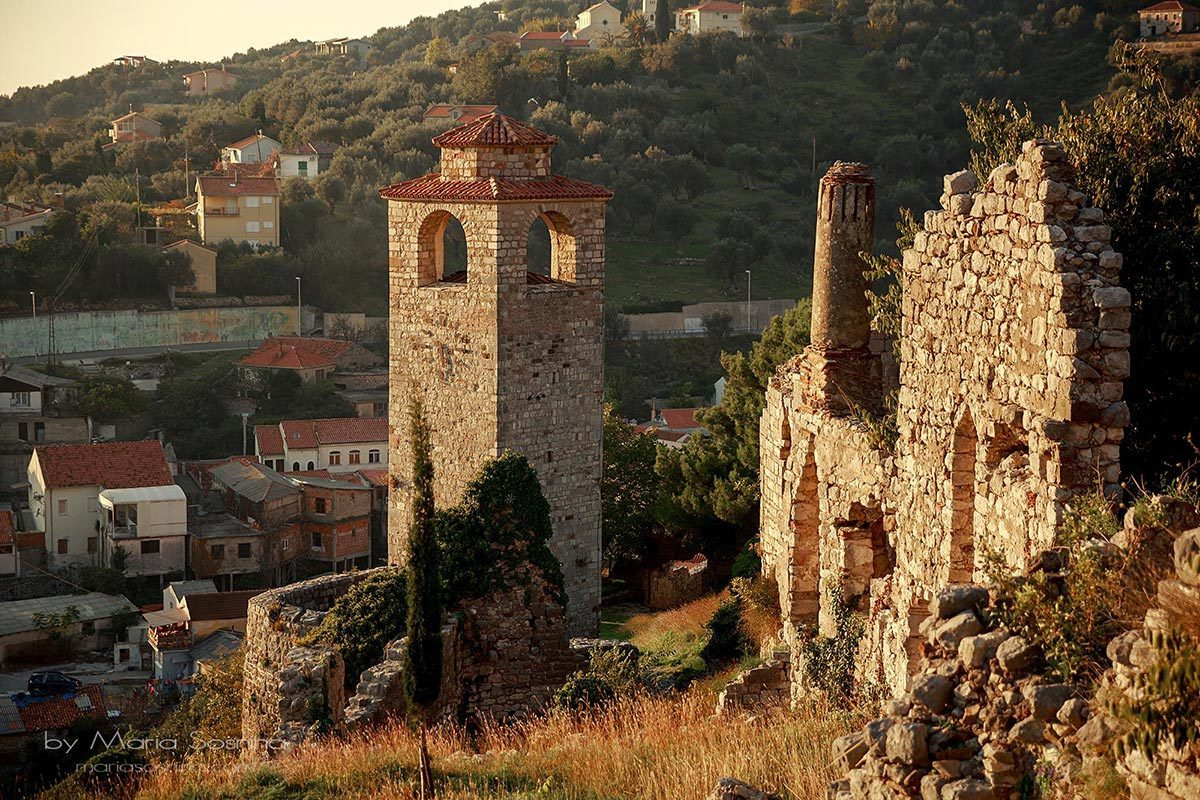
The clock tower went up before the Ottomans arrived. It was renovated in 1753, and that’s when it took on the oriental look you see today.
The Turkish bath (hammam)
The Turkish bath in Stari Bar has survived to this day. A dome with small openings rises over the central hall, letting light in and steam out, and smaller rooms are grouped around it.
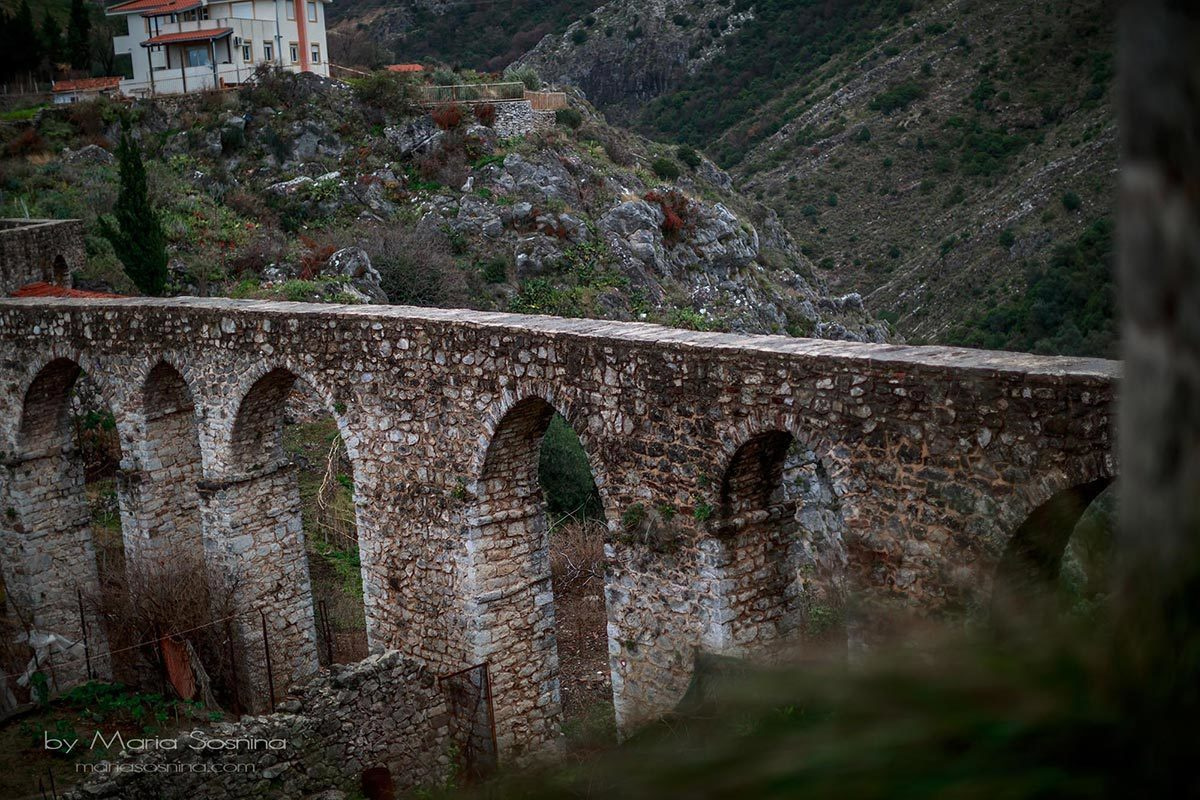
The aqueduct with 17 arches
The aqueduct stands on the north side of Stari Bar. The Ottomans built it in the 17th century to carry water into town from a spring about 3 km away. Seventeen large arches of different widths rest on massive piers.
Omerbašić Mosque
Omerbašić Mosque was built in 1662. It’s a very plain building: a rectangular hall with a minaret by the south-west wall. Next to it stands the early 17th-century tomb (türbe) of Dervish Hasan, and a stone wall encloses the whole complex.
The čaršija, the old Turkish market
The čaršija, the old market below the walls, dates from Ottoman times and took on its present look in the 18th and 19th centuries. Today it’s protected as a cultural monument, and its stone lane with shops and cafés is the way up to the ruins.
When is the best time to visit Stari Bar?
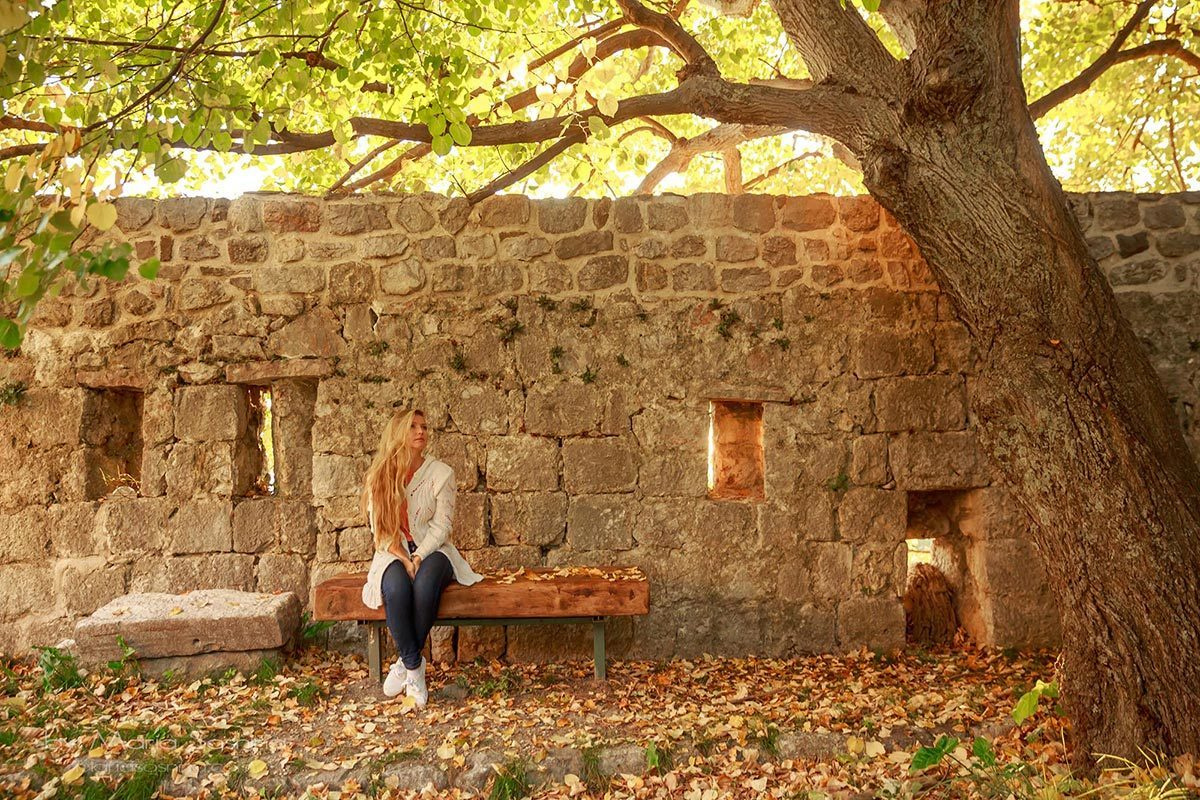
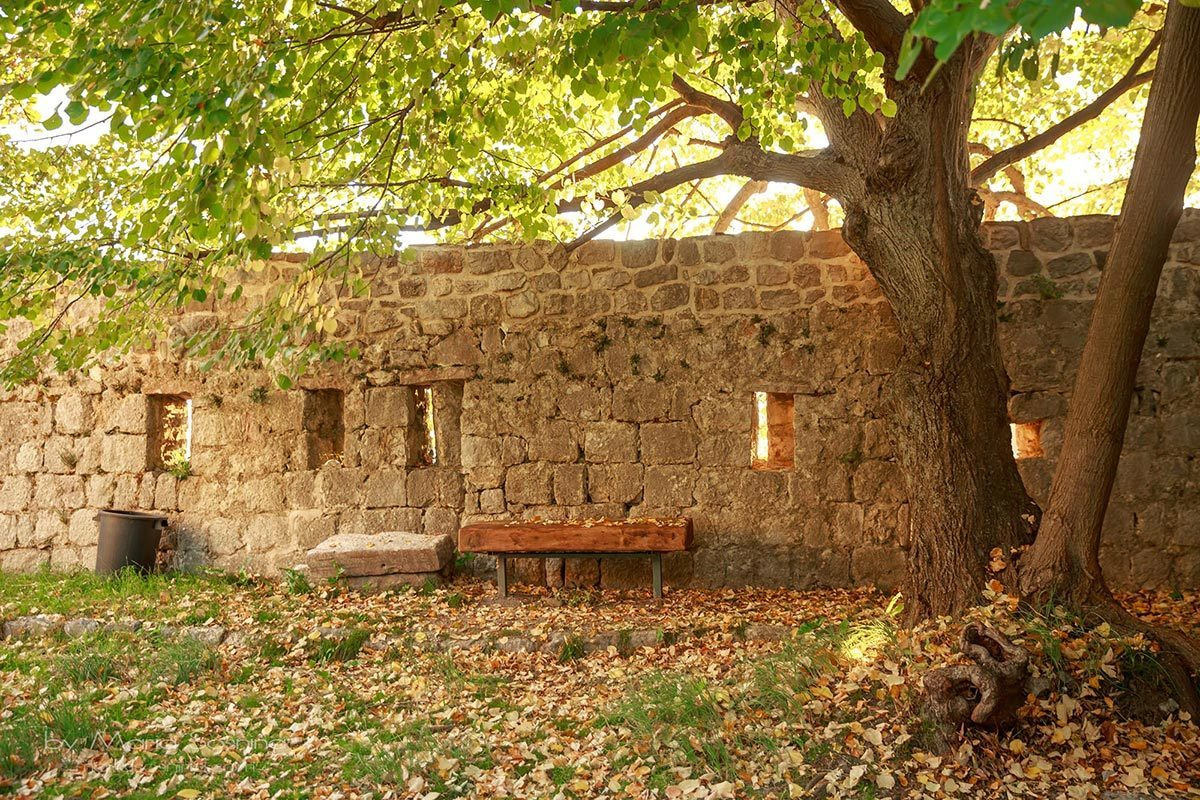
You can visit Stari Bar all year round. Some of our photos were taken on golden autumn days and some in January. We think you’ll easily tell which season is which.
In summer the ruins on the open rock heat up fast, so on hot days avoid going at midday. We cover the weather month by month in our guide to the best time to visit Montenegro.
Good to know: the ruins are full of uneven stones and steps, so wear comfortable closed shoes. And bring water, especially in summer. |
And there’s no need to rush. The beauty of Stari Bar is that you can wander for ages without a plan and peek into every corner.
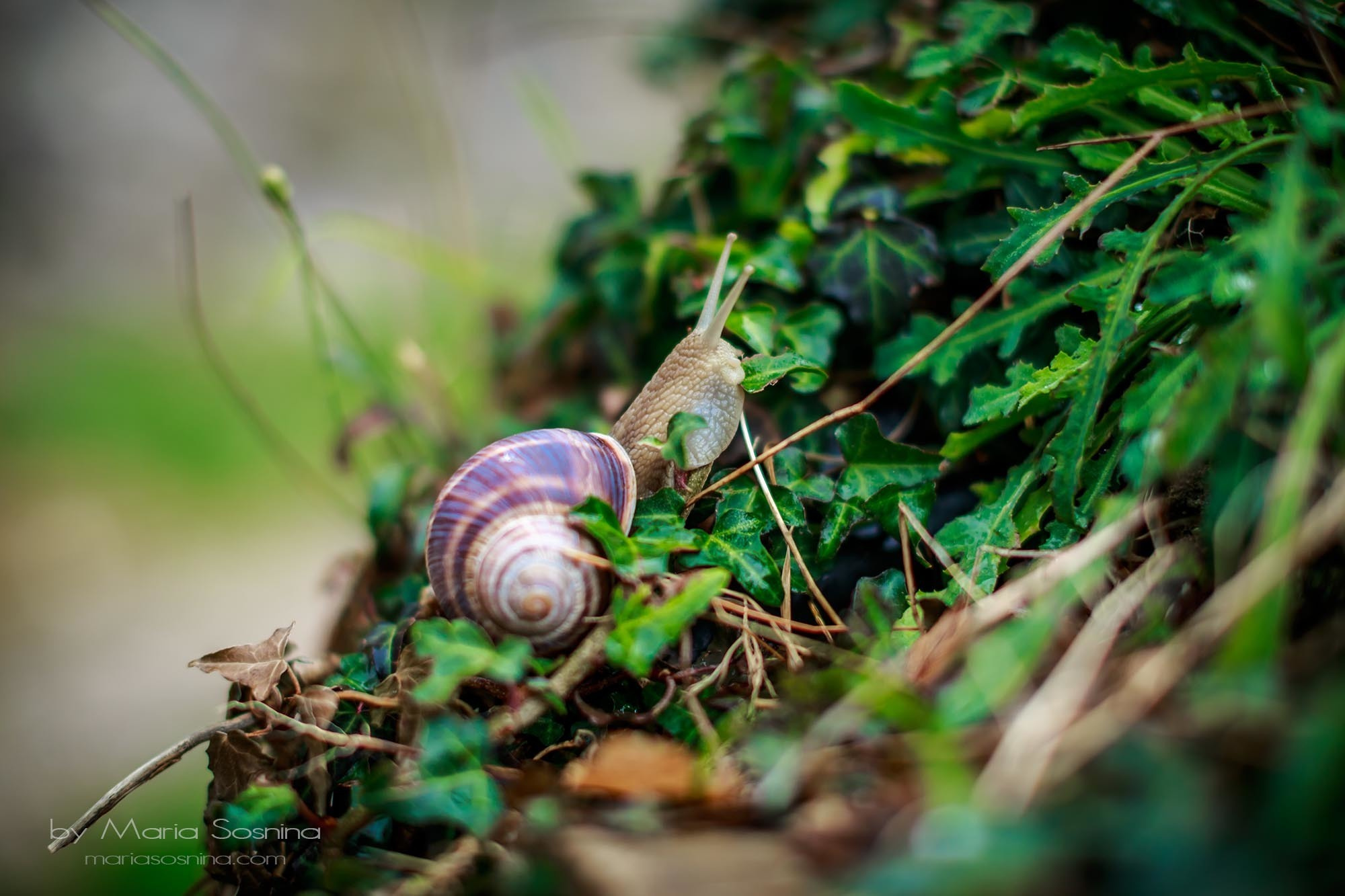
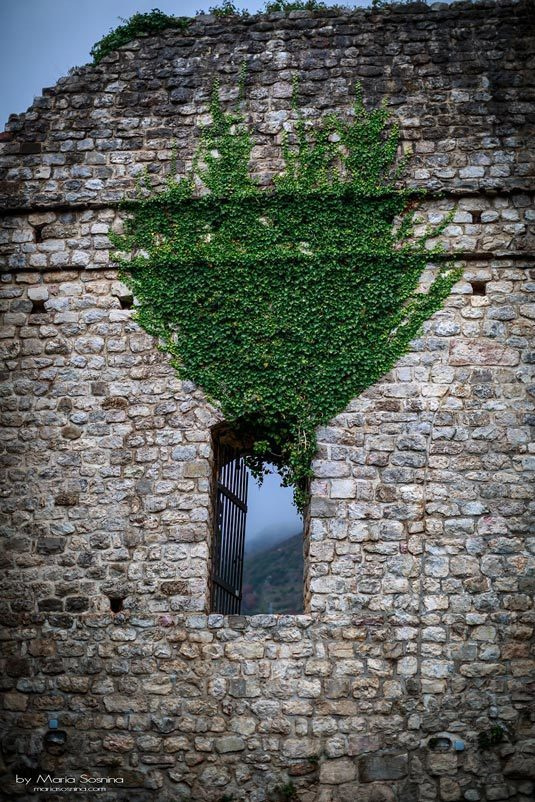
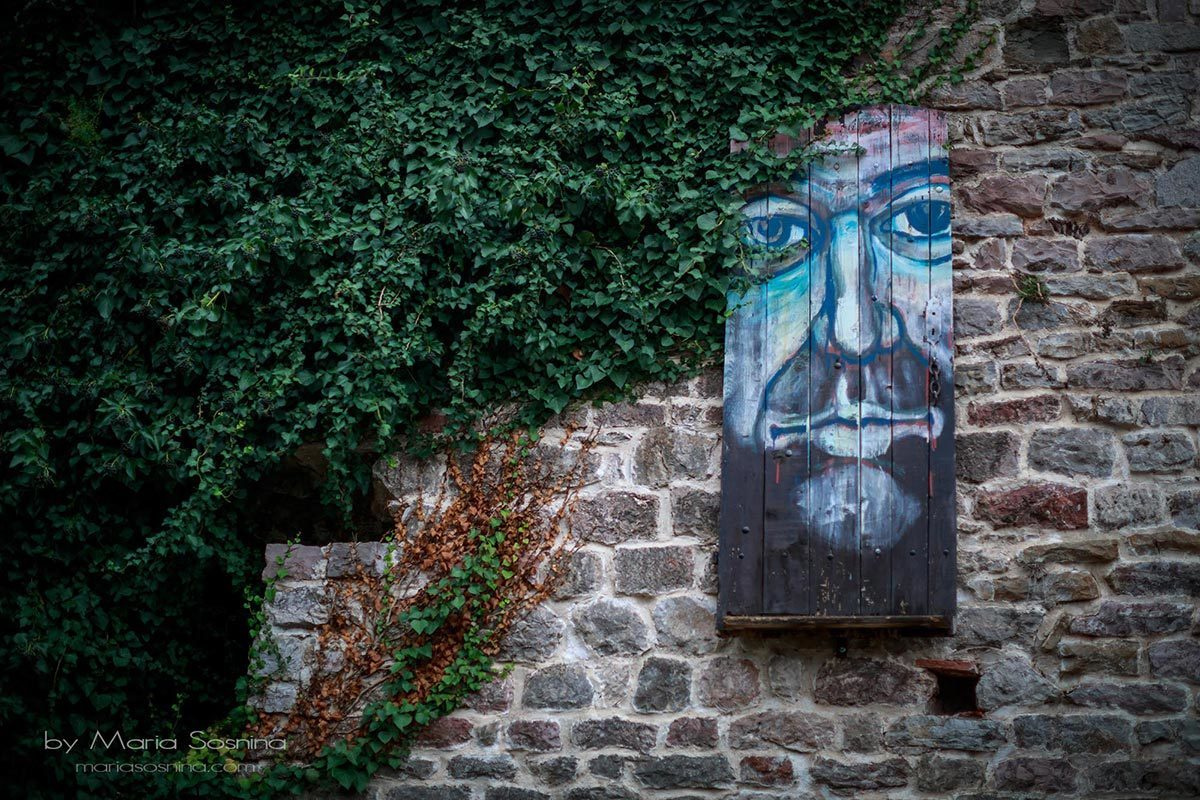
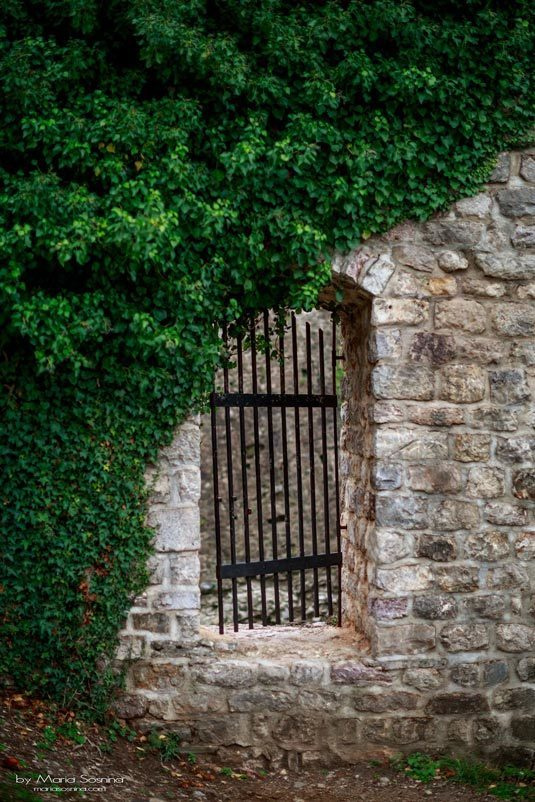
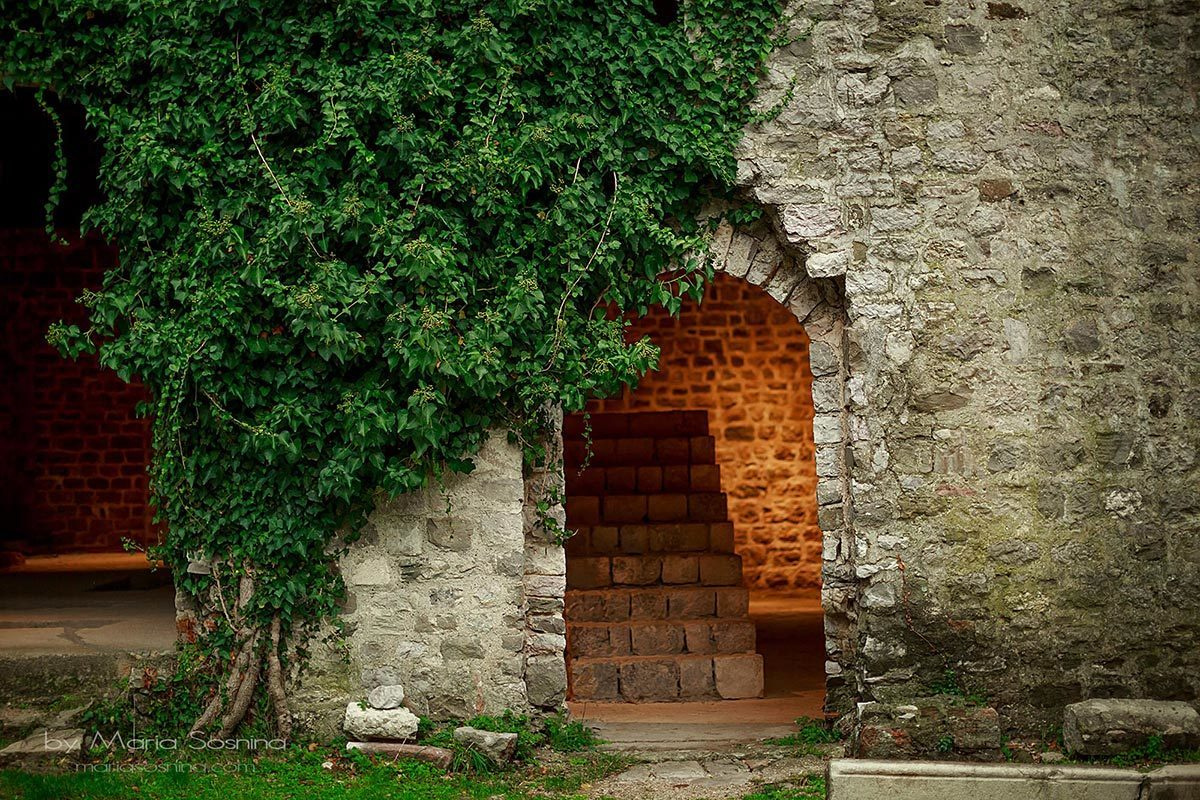
How is Stari Bar different from the new town of Bar?
Stari Bar and the town of Bar in Montenegro are two very different places: ancient ruins on a rock and a modern port town by the sea. When people in Montenegro just say ‘Bar’, they usually mean the new town.
| Stari Bar | New Bar | |
|---|---|---|
| Where | On a rock by Mount Rumija, about 4 km from the sea | On the coast, by the port |
| What it is | Abandoned medieval town, historic monument | Modern town with a port and railway station |
| Why go | Ruins, history, views over the valley | The sea, the promenade, King Nikola’s Palace |
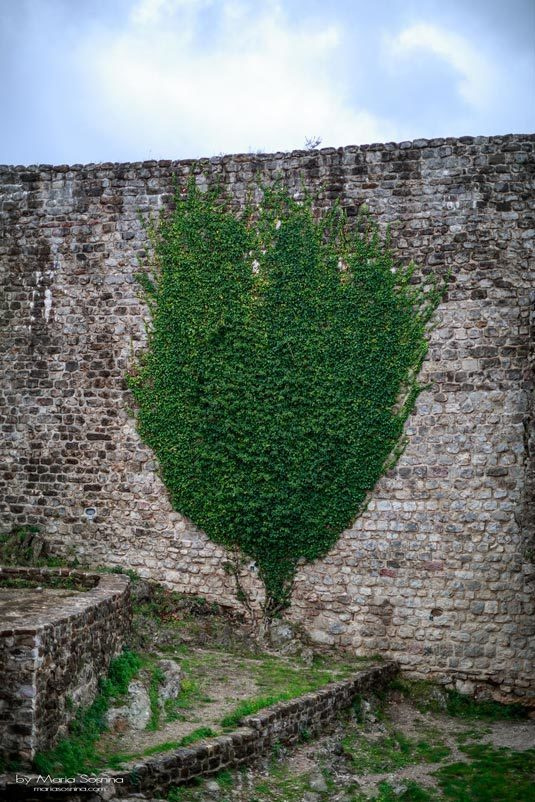
We really hope Stari Bar stays a ruin and nobody ever restores it to rent out space for shops and cafés. The lane by the entrance already has those, and the old town itself is beautiful just as it is.
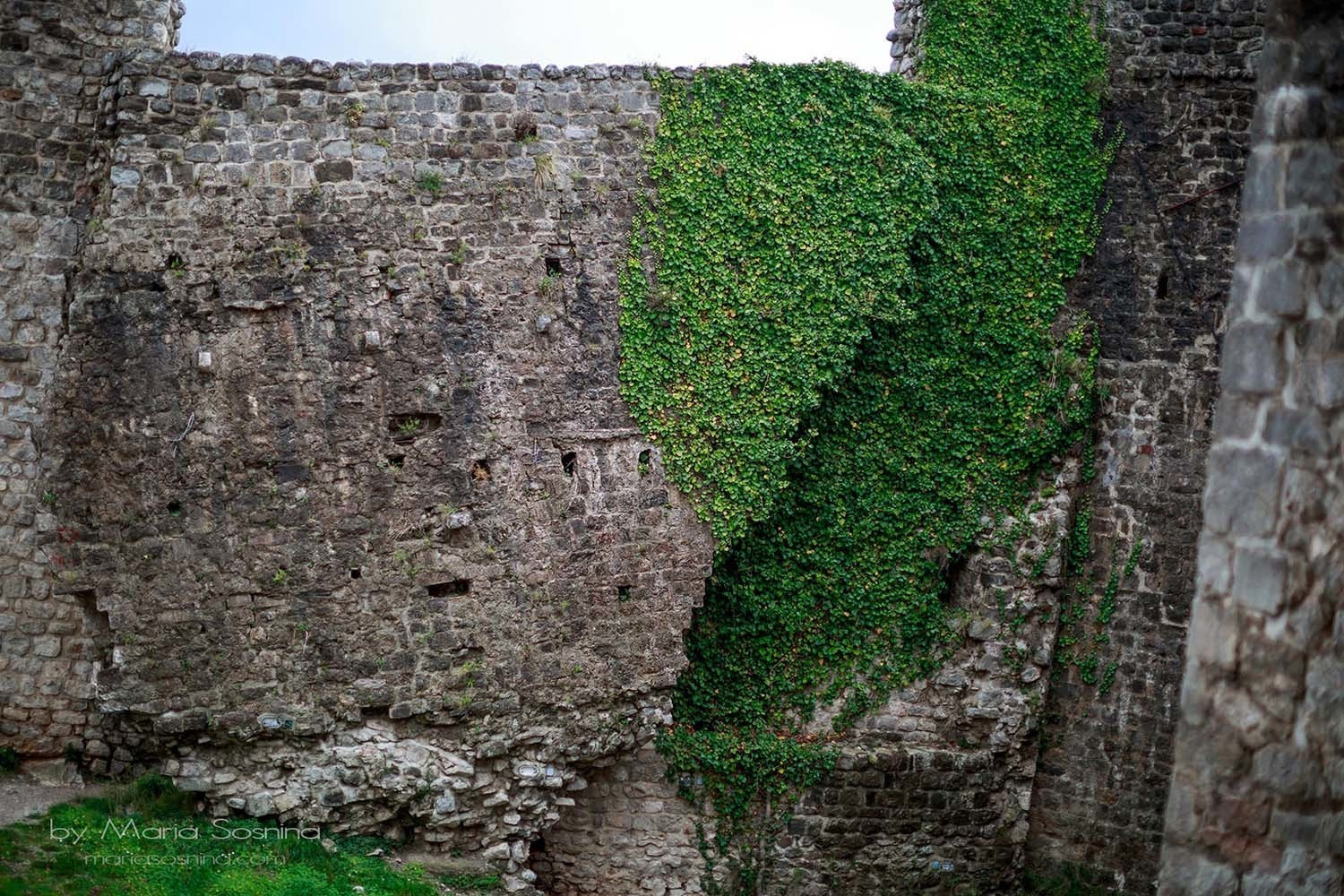
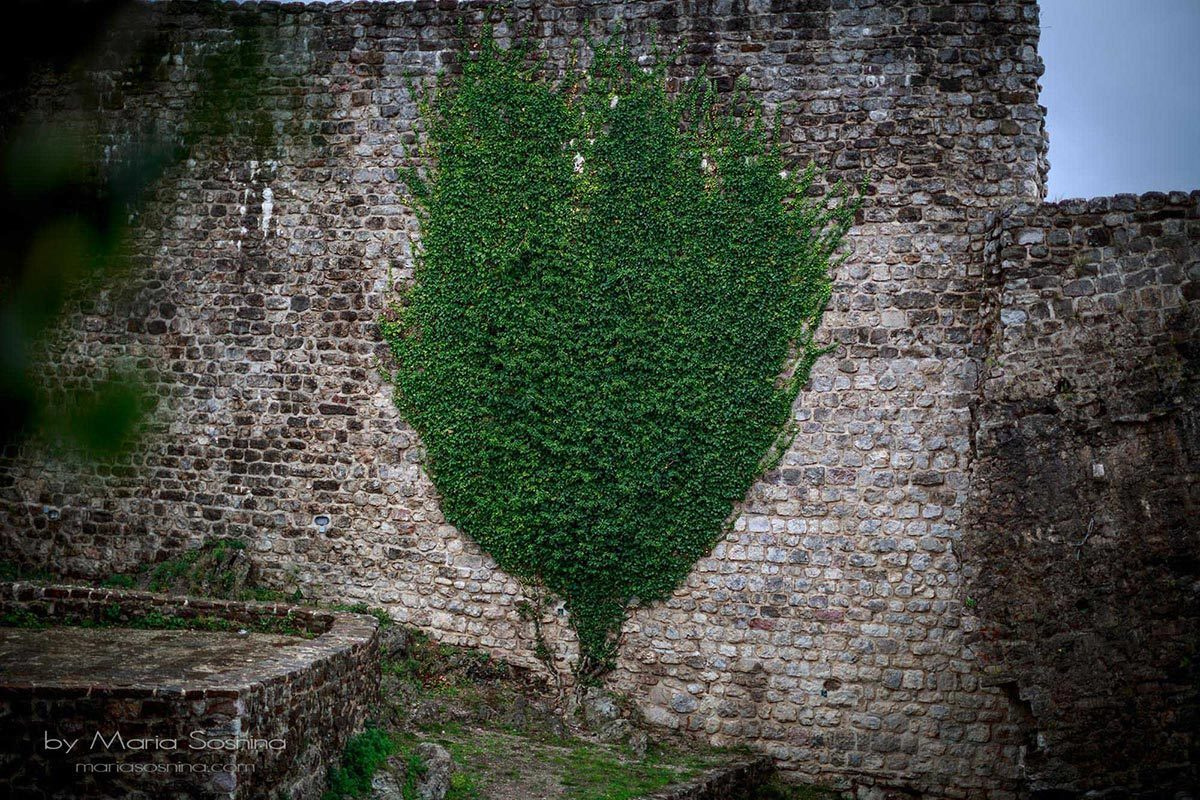
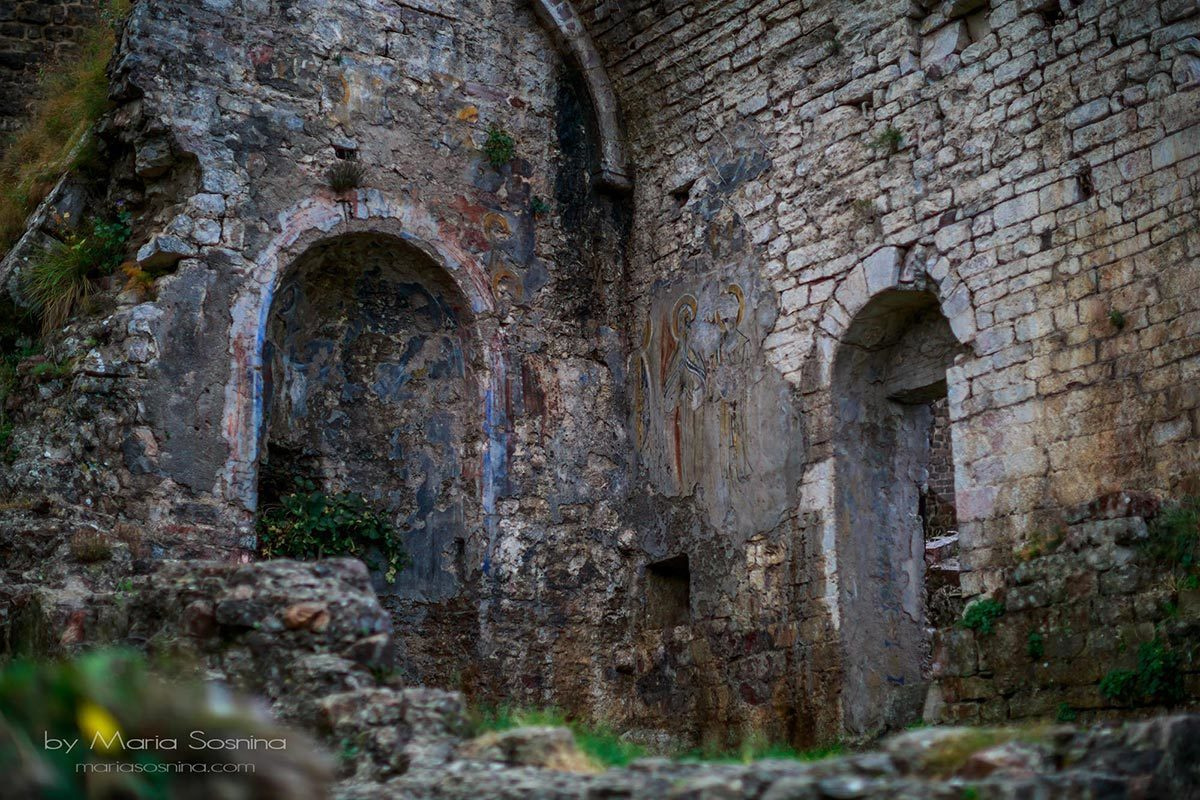
What is there to see near Stari Bar?
Near Stari Bar, it’s worth stopping at the old olive tree in Mirovica and at King Nikola’s Palace, and from there you can carry on along the coast to the north or south.
- The old olive tree in Mirovica. It’s estimated to be over 2,000 years old and is protected as a natural monument. It grows about 5 km along the road from Bar to Ulcinj. Legend has it that feuding families came to make peace beneath it.
- King Nikola’s Palace in Bar. It was built in 1885 for Princess Zorka and now houses Bar’s local history museum.
- Above Sutomore, north of Bar, stands the 15th-century Haj-Nehaj fortress.
- South of Bar, in Ulcinj, begins Velika Plaža, the longest beach in Montenegro.
If you’d like to plan a route around the whole country, have a look at our list of must-see places in Montenegro and our guide to things to do in Montenegro.
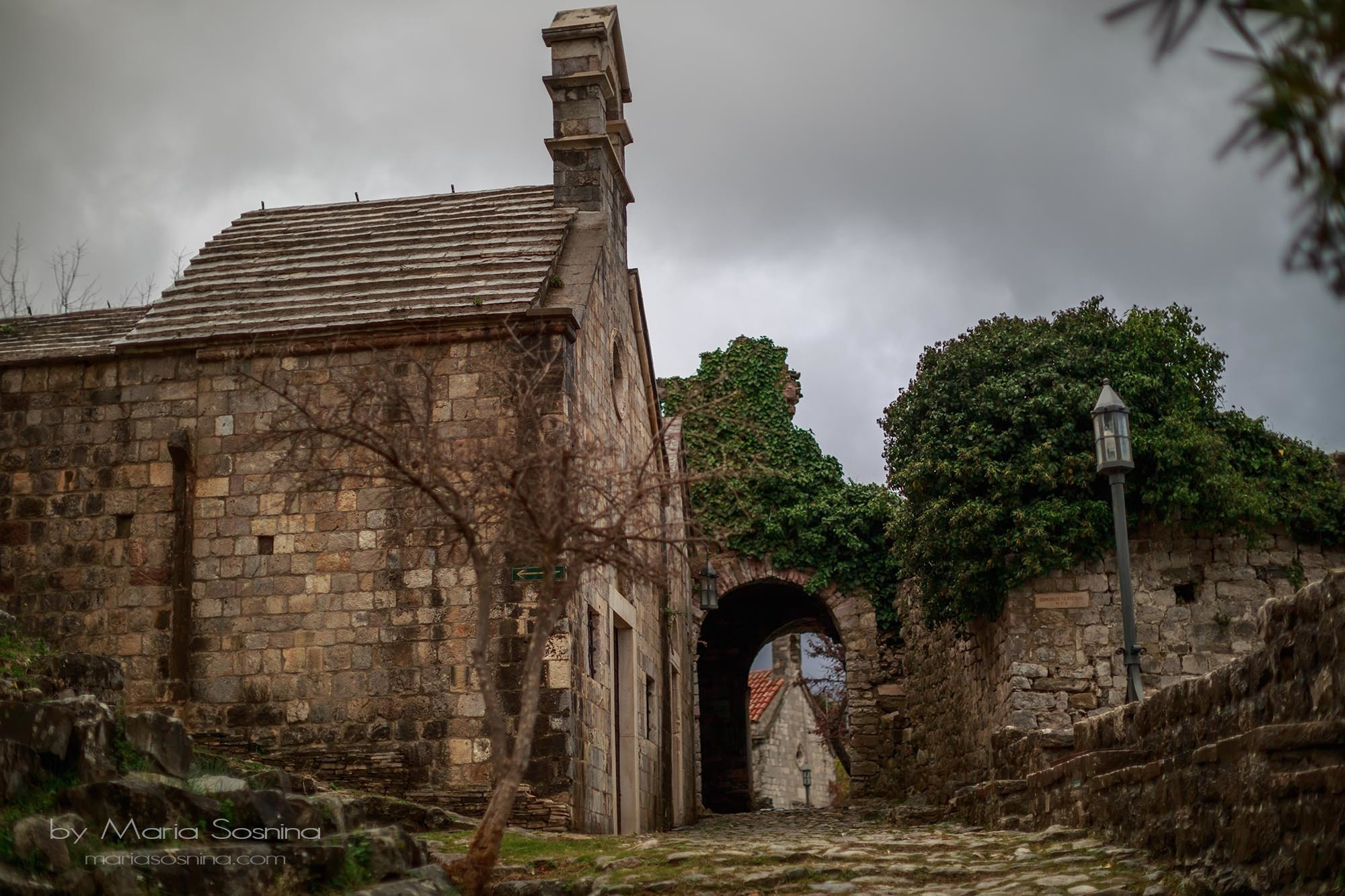
Can I book a photoshoot with you in Stari Bar?
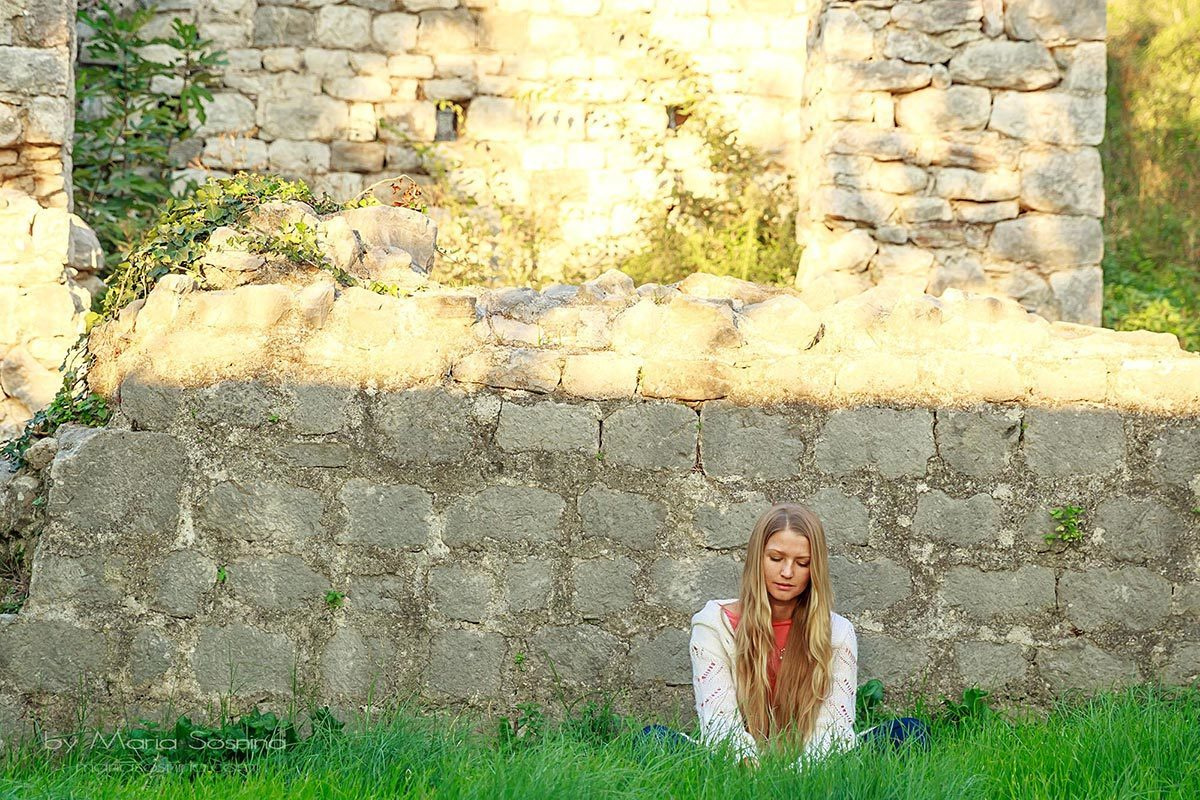
Yes, you can book a photoshoot with us in Stari Bar: we shoot among the old stone ruins with views of Mount Rumija. You’ll find examples on our Stari Bar photoshoot page, and do take a look at our family photoshoot among the ruins.
We won’t make you pose: we shoot without staging, but with humour and meaning, so all you need to do is relax and be yourselves.
If you’re planning a holiday in Montenegro, we really recommend making the trip to Stari Bar. And if you’re looking for a photographer in Montenegro, drop us a line and we’ll find a date together.
Frequently asked questions
Do you have to pay to get into Stari Bar?
Yes, there’s an entrance fee for the Stari Bar ruins. Check prices and opening hours on site or with the Tourist Organisation of Bar.
Is Stari Bar a UNESCO World Heritage Site?
Stari Bar has been on UNESCO’s World Heritage Tentative List since 2010. That means Montenegro has put it forward as a candidate, but the town isn’t on the main list yet.
How do you get to Stari Bar without a car?
You can get to Stari Bar without a car by taking the train to Bar, the last stop on the Belgrade-Bar railway. From new Bar it’s a few kilometres uphill to the ruins, and a taxi is the easiest way up.
Where is the olive tree that’s over 2,000 years old?
The olive tree that’s over 2,000 years old grows in Mirovica, about 5 km along the road from Bar to Ulcinj. It’s a protected natural monument and an easy stop on the way south from Stari Bar.
Why is the town called Bar?
The most common theory is that the name Bar comes from the Latin Antibarium, meaning ‘opposite Bari’. The Italian port of Bari lies directly across the Adriatic Sea.

Niagara waterfall in Podgorica: Cijevna canyon, swimming and lunch


Dobrota in Montenegro: walking the Bay of Kotor from the Old Town

Milocer Montenegro

Lovćen National Park photos: the bench above the Bay of Kotor

Durmitor National Park: the Sedlo Pass and the Durmitor Ring

Winter in northern Montenegro: Black Lake under snow

Black Lake in Montenegro: a walk at the foot of Durmitor
Sunset in Budva and Sveti Stefan: what time the sun sets and where to watch it
Žabljak: a little mountain town in the north of Montenegro

Small trip to the biggest beach in Montenegro
Hiking from Kotor to Lovćen: the old trail above St John’s Fortress