Dreaming of saying “I do” by the Adriatic and flying home as husband and wife? Good news: getting married in Montenegro as a foreign couple is very doable, and the steps are clear. You apply to the registrar (matičar) in the municipality where the wedding will take place, and you do it early, because each municipality sets its own deadline. Your birth certificate and certificate of no impediment need an apostille and a translation by a sworn court interpreter. On the day, you bring two witnesses, and for couples who aren’t Montenegrin citizens, a sworn interpreter is always there, both when you apply and at the ceremony. And you don’t have to marry in the municipality’s wedding hall: with the registrar’s permission, the ceremony can take place at your venue, by the water or at a villa.
We’re Mariia Sosnina and Vasilii Khmelev, and we photograph and film weddings in Montenegro. In this guide we’ve gathered everything about the legal side: which documents to prepare, where and when to apply, how the ceremony goes and what you take home afterwards. We based it on Montenegrin law, first of all the Family Law of Montenegro (Porodični zakon). Still choosing where to celebrate? Have a look at our overview of wedding venues in Montenegro.
The short version
- Only the civil ceremony before the registrar is legally binding. A church wedding on its own doesn’t register a marriage.
- After the ceremony you receive an extract from the marriage register in two versions, local and international. For use abroad, it gets an apostille at a court.
- Your certificate of no impediment must be no older than 3 months, so order it closer to the date.
- Rings and vows are possible at the ceremony, but they’re agreed with the registrar in advance through your planner.
- Same-sex couples can register a life partnership. The law has applied since July 2021, and the process is almost the same as for marriage.
Can foreigners get married in Montenegro?
Yes, they can. You marry before the registrar of the municipality, and only this civil registration is legally binding. The minimum age to marry in Montenegro is 18. To keep things clear, here are the three formats couples usually choose between.
| Format | Legally binding? | Documents | Where it happens |
|---|---|---|---|
| Civil ceremony | Yes, you’re officially married | The full set, apostilled and translated | In the municipality’s wedding hall or, with the registrar’s permission, another suitable place |
| Symbolic ceremony | No | None needed for the municipality | Wherever your chosen venue allows |
| Church wedding | Doesn’t register a marriage on its own | Set by the church itself | In the church |
A symbolic ceremony is a good fit if you’d rather make it official at home and simply say yes to each other by the sea in Montenegro. We explain how to plan a day like that for just the two of you in our guide to eloping in Montenegro.
Dreaming of a church wedding? Keep in mind that on its own it doesn’t register your marriage, so you’ll need a separate civil ceremony, here or at home. To see what one looks like, take a peek at our album of an Orthodox church wedding.
Not sure whether it’s easier to marry at home or in Montenegro, or which format to choose? Write to us and we’ll recommend a trusted wedding planner. They’ll tell you what’s simplest in your case and take care of your documents and a quote.
Montenegro marriage requirements: the documents you need
Every municipality has its own exact list, so your planner will confirm the final one for yours. Foreigners usually need:
- Passports for both of you. You show the originals to the registrar.
- Birth certificate, issued in your home country. You need the original with an apostille, plus a translation by a sworn court interpreter.
- Certificate of no impediment, the document showing you’re free to marry (its name differs from country to country). It must be no older than 3 months, and it also needs an apostille and a translation.
- Proof of payment of the municipal fee.
- If you’ve been married before, be ready to show your divorce decree or your former spouse’s death certificate. By law, you can only marry again once the previous marriage has ended.
Some municipalities also ask for proof of citizenship, proof that your stay in Montenegro is registered, and copies of your witnesses’ passports. The registrar can also request other documents if needed.
The fresh paperwork trap. Order your certificate of no impediment six months ahead just to be safe, and by the wedding it will already be too old. Municipalities want the rest of your papers fresh too, usually no older than 3 or 6 months, depending on the municipality. So count back from your wedding date and leave time for the apostille and translation. |
Apostille or legalization
Your birth certificate and certificate of no impediment are certified in your home country, before you travel. If your country is part of the Hague Apostille Convention, the documents get an apostille. Montenegro applies the convention too, so an apostille is all you need. If your country isn’t part of it, you’ll need legalization instead.
Translation by a sworn court interpreter
All foreign documents are translated into the official language of Montenegro by a sworn court interpreter (ovlašćeni sudski tumač). We suggest handling the translation, apostille and legalization through your planner. They’ll tell you which interpreter to use and what to prepare at home, so you don’t lose time.
The interpreter isn’t just there for the paperwork. If you aren’t Montenegrin citizens, a sworn court interpreter must be present when you file your application and at the ceremony itself. Their name even goes into the marriage record.
Apostilles, translations, expiry dates and emails with the municipality in the local language: this is the stage where it’s easy to lose time and nerves, especially from abroad. That’s why it’s best to hand the paperwork to a planner from the start. Write to us and we’ll recommend a trusted planner who will deal with the municipality for you, gather your documents and prepare a quote.
Where and when to apply to get married
You apply to the registrar at the civil registry office of the municipality where you want to marry. The office goes by different names in different municipalities, but the rule is the same: if you want to marry in Kotor, you apply to the Municipality of Kotor.
Each municipality sets its own deadline: some accept applications up to one week before the wedding, others need at least 15 days. So apply early, and your planner will confirm the exact deadline for your municipality. The registrar sets the date and time of the ceremony together with you.
Registering your stay. If you’re staying in a hotel or a rented apartment, whoever provides your accommodation registers you with the police, and they must do it within 12 hours of your arrival. Just check that it’s been done, because some municipalities ask for this proof along with your documents.
The fee. Each municipality sets its own fee, so the amount varies from town to town. One rule holds everywhere: a ceremony outside the hall costs more than one in the municipality’s wedding hall.
Curious what the whole celebration costs? We’ve worked it out in our guide to the cost of a wedding in Montenegro.
How the civil ceremony works
At the civil ceremonies we photograph, these people are usually there:
- Both of you, in person. The law allows marriage by proxy only in especially justified cases, and we wouldn’t recommend it.
- The registrar, who leads the ceremony and makes the marriage record.
- A sworn court interpreter. If you aren’t Montenegrin citizens, the interpreter is always at the ceremony.
- Two witnesses. Any adult with full legal capacity can be a witness, for example a friend from home.
In some municipalities, a member of the municipal assembly (odbornik) attends the ceremony as well.
The ceremony itself is simple and touching. The registrar checks your passports, then asks the standard questions through the interpreter: whether you both agree to marry and whose surname you’ll take. Then a poem is read for a little romance, and you sign the register. Right after that, you receive your extract from the marriage register (izvod), in a local and an international version.
Rings and vows. You can exchange rings and say your own vows at the ceremony. Just tell your planner in advance, so they can agree it with the registrar. A standard civil ceremony doesn’t include them, and you might find yourselves pronounced husband and wife before you get to the rings and vows. |
Would you rather marry at your venue than in the municipality’s hall? That’s possible too. Here’s how it works.
Marrying outside the hall: at a villa, by the water, in an old town
By law, marriages take place in the municipality’s ceremonial hall. As an exception, the registrar can approve another suitable place if you ask and explain why you want to marry there. In practice, ceremonies outside the hall do happen at venues in Montenegro: on a hotel terrace, in a garden, at a wedding villa.
The registrar decides where the ceremony can take place and on what terms, and your planner arranges it all. We’ve written about marrying among old stone walls in our guide to a wedding in Kotor. And if you’re dreaming of a waterfront promenade right by the water, have a look at our guide to a wedding in Perast.
“In the Bay of Kotor, the sun slips behind the mountains earlier than the forecast promises. That’s why I always work out portrait time in advance, separately for each location.”Mariia Sosnina
At your ceremony we’ll capture your “I do”, the signatures in the register and your witnesses by your side. We take care of both photo and video, so send us your date and we’ll check if it’s free.
Same-sex couples in Montenegro: life partnership
Same-sex couples in Montenegro can register a life partnership. The process is set out in the Law on Life Partnership of Same-Sex Couples: parliament adopted it on 1 July 2020, and it has applied since July 2021.
You register a partnership before the registrar, and the steps are almost the same as for marriage. You apply to the local civil registry office, the date is set together with you, and you sign in a formal ceremony with two witnesses, in the municipality’s hall or, as an exception, another suitable place. Partnerships that foreigners register in Montenegro are entered in the register too.
We’ve shared more about this kind of celebration in our guide to an LGBTQ+ wedding in Montenegro.
Church weddings: what to know
The church sets its own conditions for a wedding, and you confirm them with the parish. Dreaming of a church wedding with a sea view? Take a look at Saint Sava Church above Sveti Stefan.
Our Lady of the Rocks
The church on the island of Our Lady of the Rocks in the Bay of Kotor is Catholic, and it only holds weddings for people who were baptized there or belong to the community of Kotor. Wedding dates on the island can’t be booked at the moment.
If your day includes both a civil ceremony and a church wedding, we’ll capture both, and we take care of photo and video. Tell us where and when your church ceremony will be, and we’ll help you plan the timing of the day.
What you get after the wedding
After the ceremony you receive an izvod, an extract from the marriage register, in two versions at once: local and international. If you’ll be using it abroad, the international version is the one you need.
For the document to be accepted in another country, the Montenegrin izvod gets an apostille, issued by a basic court (osnovni sud) in Montenegro. How to have your marriage recognized at home, whether you need to register it anywhere and what other papers you’ll need are questions for your own country, since the rules are different everywhere.
A little tip: as soon as you get your izvod, check the names and dates against your passports. Fixing a mistake once you’ve flown home is much harder.
Your timeline: from certificates to the marriage extract
To make sure nothing expires, map out the legal side by date. Everything else, from the venue to the seating plan, is in our Montenegro wedding checklist.
| When | What to do |
|---|---|
| As soon as you pick a date | Choose your municipality and find a planner, who will get the exact list of documents |
| No earlier than 3 months before the wedding | Order your certificate of no impediment and birth certificate, and get them apostilled |
| As soon as your certificates are ready | Send scans to your planner and double-check the names and dates |
| In Montenegro | Get the sworn translation done through your planner and check that your stay has been registered |
| In good time, by your municipality’s deadline | Apply to the registrar and pay the fee |
| On the wedding day | Passports, two witnesses and a sworn court interpreter |
| After the ceremony | Collect your izvod, local and international, and get it apostilled at a court if needed |
Why it’s best to leave the paperwork to a planner
The legal side of a wedding in Montenegro looks simple until you start putting it together from another country. Emails with the municipality are in the local language, your certificates have to be fresh, and you need a sworn court interpreter both when you apply and at the ceremony. A ceremony outside the hall is agreed with the registrar separately, and the registrar and interpreter have to arrive at your venue right on time. Here’s what a planner takes care of:
- Gets the exact document list from your municipality and maps out every deadline from your date, so nothing is out of date by the ceremony.
- Finds a sworn court interpreter for both the documents and the ceremony.
- Agrees the place and time of a ceremony outside the hall with the registrar, plus rings and vows if you’d like them.
- Finds the venue, menu and decor, plans your guests’ transfers and pulls it all into one quote.
Without someone like that, bringing it all together in one day from abroad is close to impossible. We explain how to find the right person in our guide on how to choose a wedding planner in Montenegro. And if you’d rather not search yourselves, we can help with that too.
Want a stress-free wedding?
Send us your dates and we’ll price your turnkey planning.
Photo and video on your wedding day
Our style is artistic reportage: real, unposed moments that show how nervous you are before the “I do” and how you hug once you’re husband and wife.
We work as a team of two: I’m Mariia Sosnina and I take the photos, and Vasilii Khmelev shoots the video. We take portraits in the golden hour before sunset.
Browse our weddings to see if our style feels like you. Moments in motion are on our wedding video page. Like what you see? Tell us when and where you’re getting married, and we’ll let you know if we can be there.
Getting married in Montenegro: FAQ
Can foreigners get married in Montenegro?
Yes. The marriage is registered by the municipal registrar, and only this civil ceremony is legally binding. You’ll need passports, a birth certificate and a certificate of no impediment with an apostille and a translation by a sworn court interpreter, plus two witnesses.
What are the marriage requirements in Montenegro?
Usually passports, a birth certificate and a certificate of no impediment no older than 3 months, both apostilled and translated, plus proof that you’ve paid the fee. Some municipalities also ask for proof that your stay is registered, proof of citizenship and copies of your witnesses’ passports. If you’ve been married before, be ready to show your divorce decree or your former spouse’s death certificate. Each municipality has its own exact list.
How far in advance do you need to apply to get married?
Each municipality sets its own deadline: some accept applications up to one week before the wedding, others need at least 15 days. Apply early, and your planner will confirm the exact deadline for your municipality.
Can we get married on the beach or at a villa?
Yes, if the registrar allows it. By law, marriages take place in the municipality’s hall, and the registrar can approve another suitable place as an exception at your request. Your planner arranges the permission and the terms.
Is a church wedding legally binding in Montenegro?
No. A church wedding on its own doesn’t register a marriage. Only the civil ceremony before the registrar is legally binding, so for an official marriage you need a separate civil ceremony, here or at home. The parish sets its own conditions for the church wedding.
Is same-sex marriage legal in Montenegro?
Same-sex couples in Montenegro can register a life partnership. The law on same-sex life partnership was adopted in 2020 and has applied since July 2021. You register the partnership before the registrar with two witnesses, just like a marriage.
Will our Montenegrin marriage be recognized at home?
After the ceremony you receive an extract from the marriage register, in a local and an international version. For use abroad, it gets an apostille at a basic court in Montenegro. Check with your own country how to have the marriage recognized there.
Do we need an interpreter at our wedding in Montenegro?
Yes, if you aren’t Montenegrin citizens. A sworn court interpreter must be present both when you apply and at the ceremony itself, and their name goes into the marriage record.
More guides for your Montenegro wedding
Guides to help with everything else:
- Wedding venues in Montenegro: types, pros, cons and prices
- Cost of a wedding in Montenegro: what makes up the budget
- How to choose a wedding planner: what to look for
- Montenegro wedding checklist: everything in order
- Wedding in Kotor: venues and the ceremony
- Wedding in Perast: a celebration by the water
- Elopement in Montenegro: a wedding for two
- LGBTQ+ wedding in Montenegro: partnership and celebration
An official wedding in Montenegro is absolutely doable. It just needs a good plan and someone who knows the local rules. I’m Mariia Sosnina, a wedding photographer in Montenegro, and together with Vasilii Khmelev we’d love to capture your day, from signing the register to your first dance.
So why not start now? Tell us when and where you dream of getting married. We’ll recommend a trusted planner who will gather your documents and prepare a quote, and we’ll take care of the photos and video.
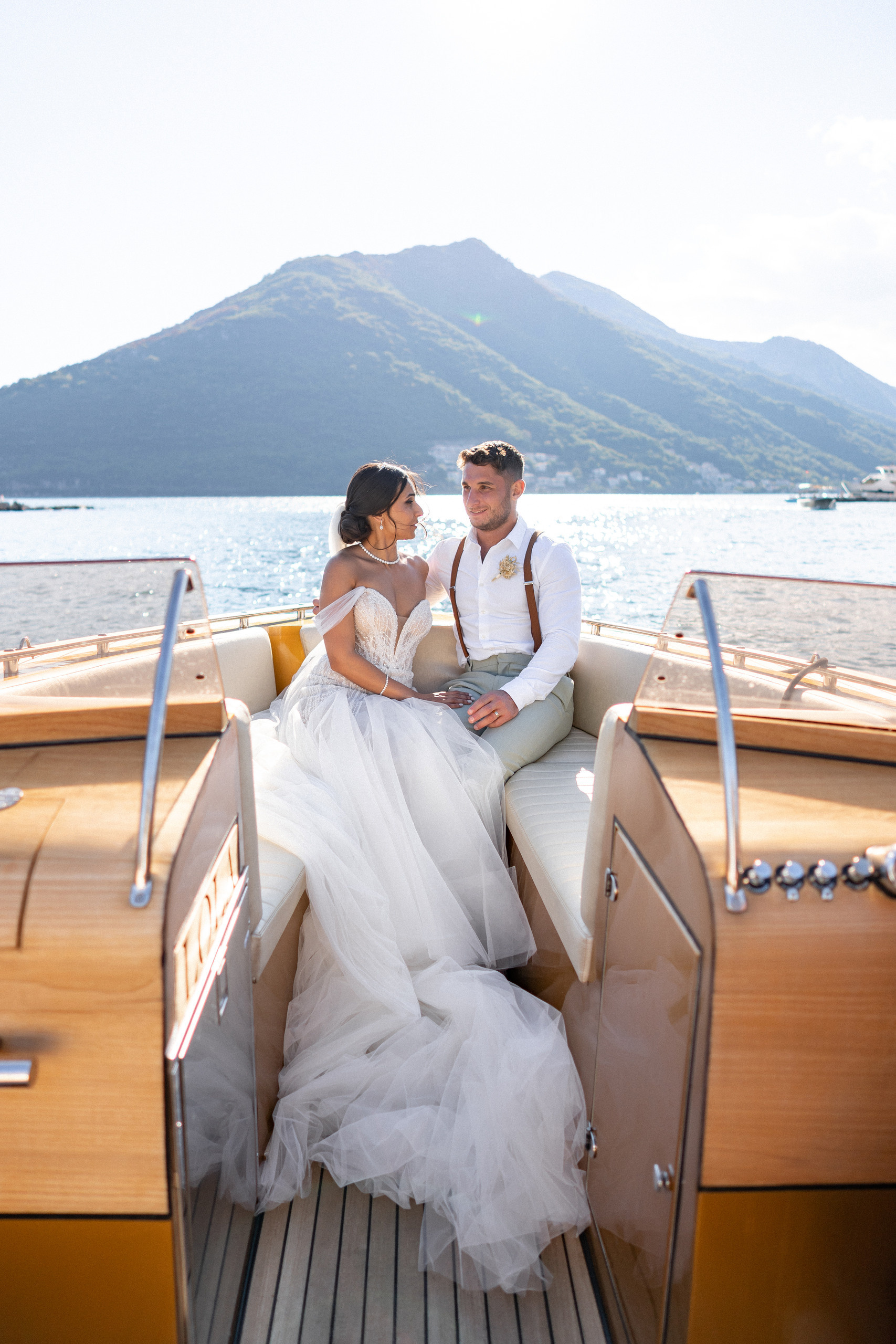
How to choose photographer for wedding in Montenegro
Celebrating Slava: A Traditional Family Holiday in Montenegro

Pros and Cons of Travelling to Sri Lanka
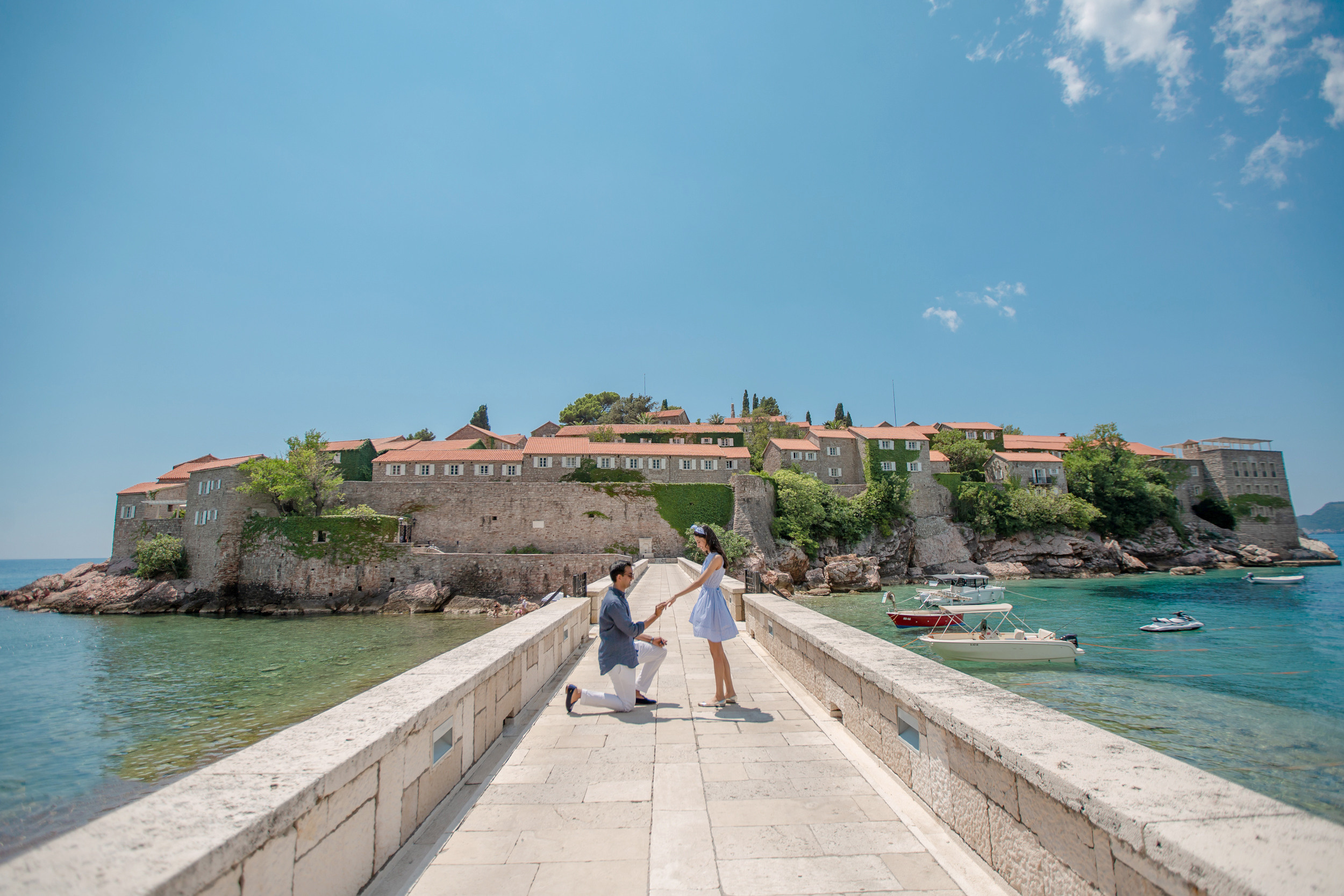
Proposal in Montenegro: How to Plan It, Step by Step
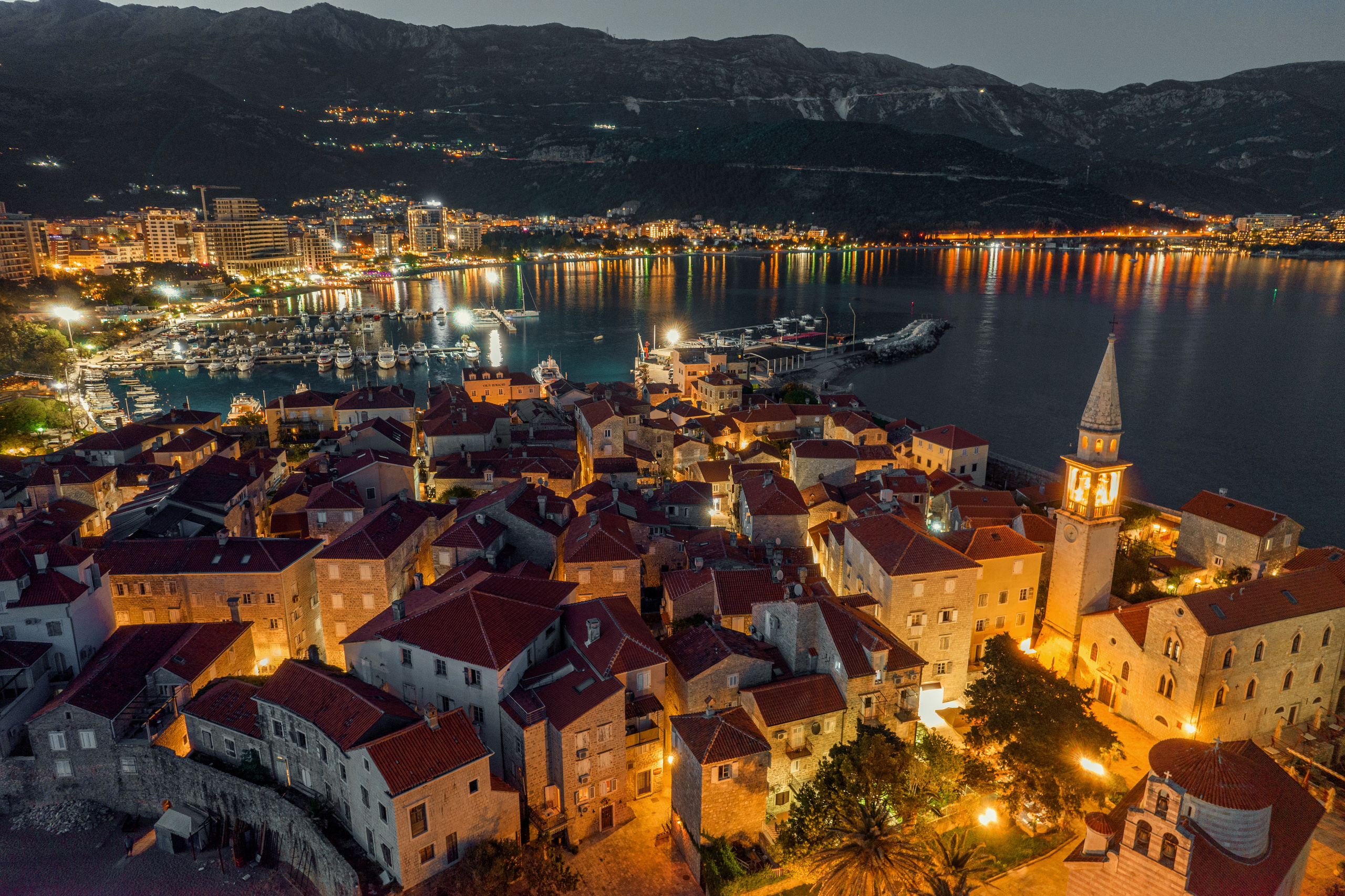
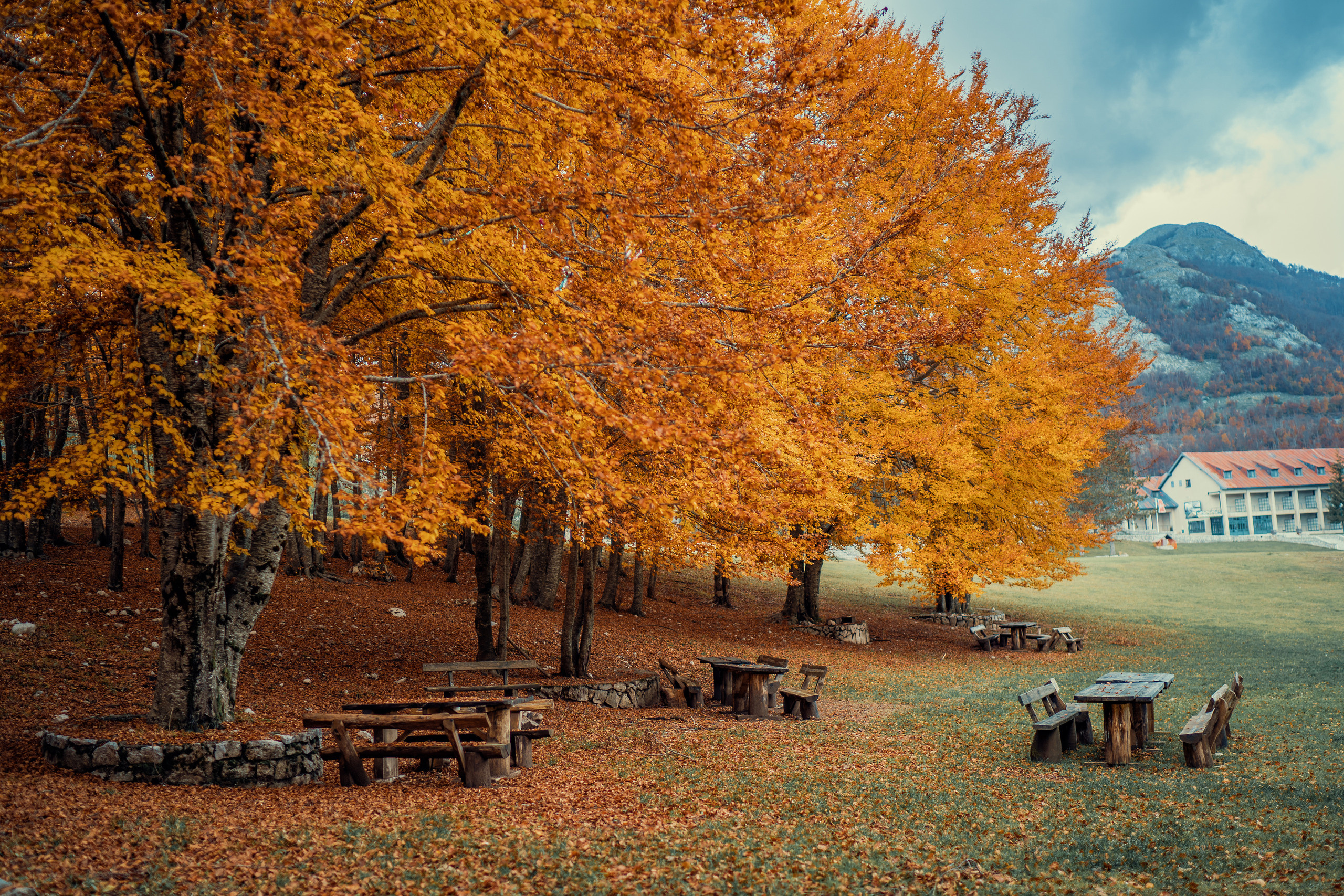
Autumn in Montenegro
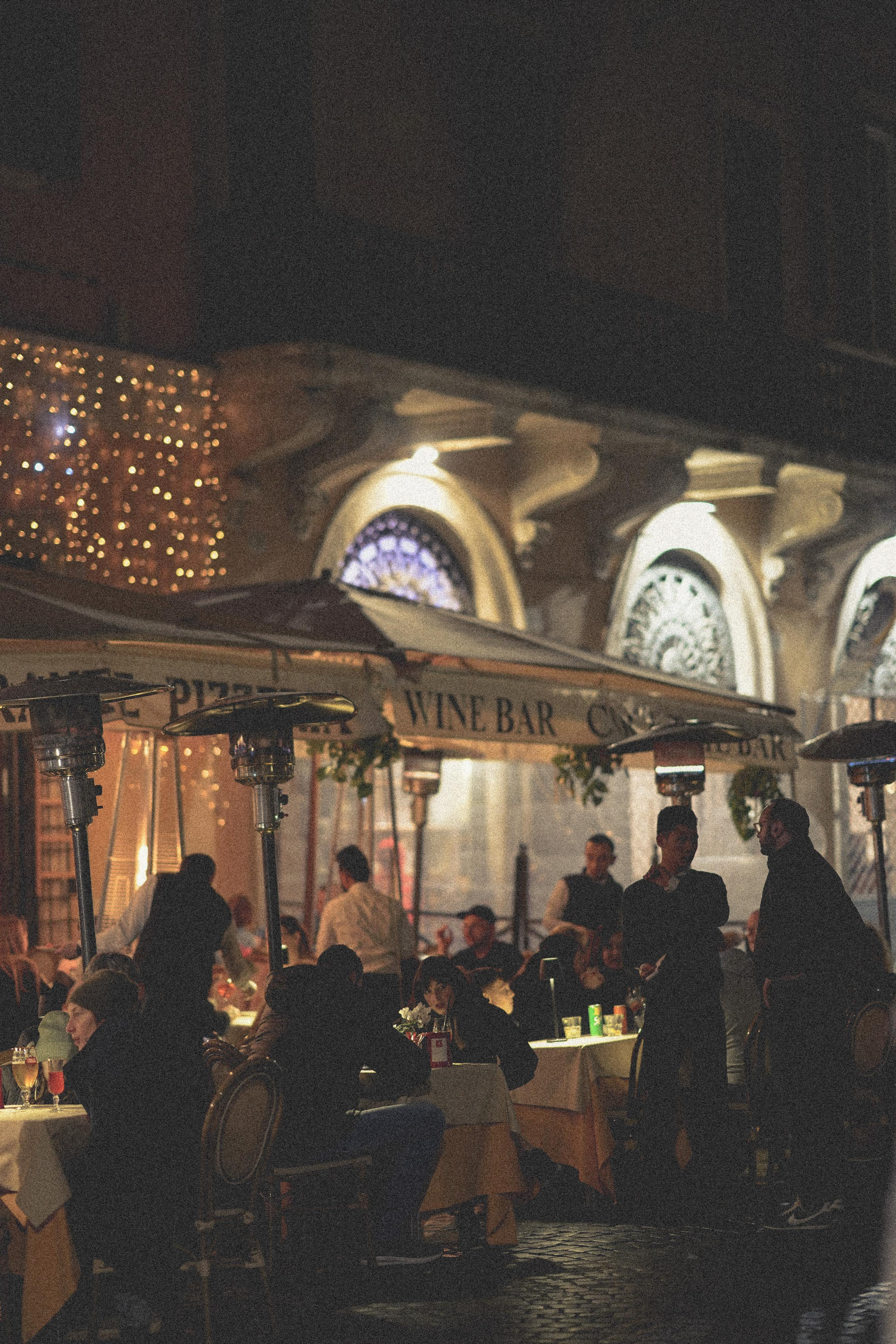
One Evening in Rome

Pros and cons of immigration to Montenegro
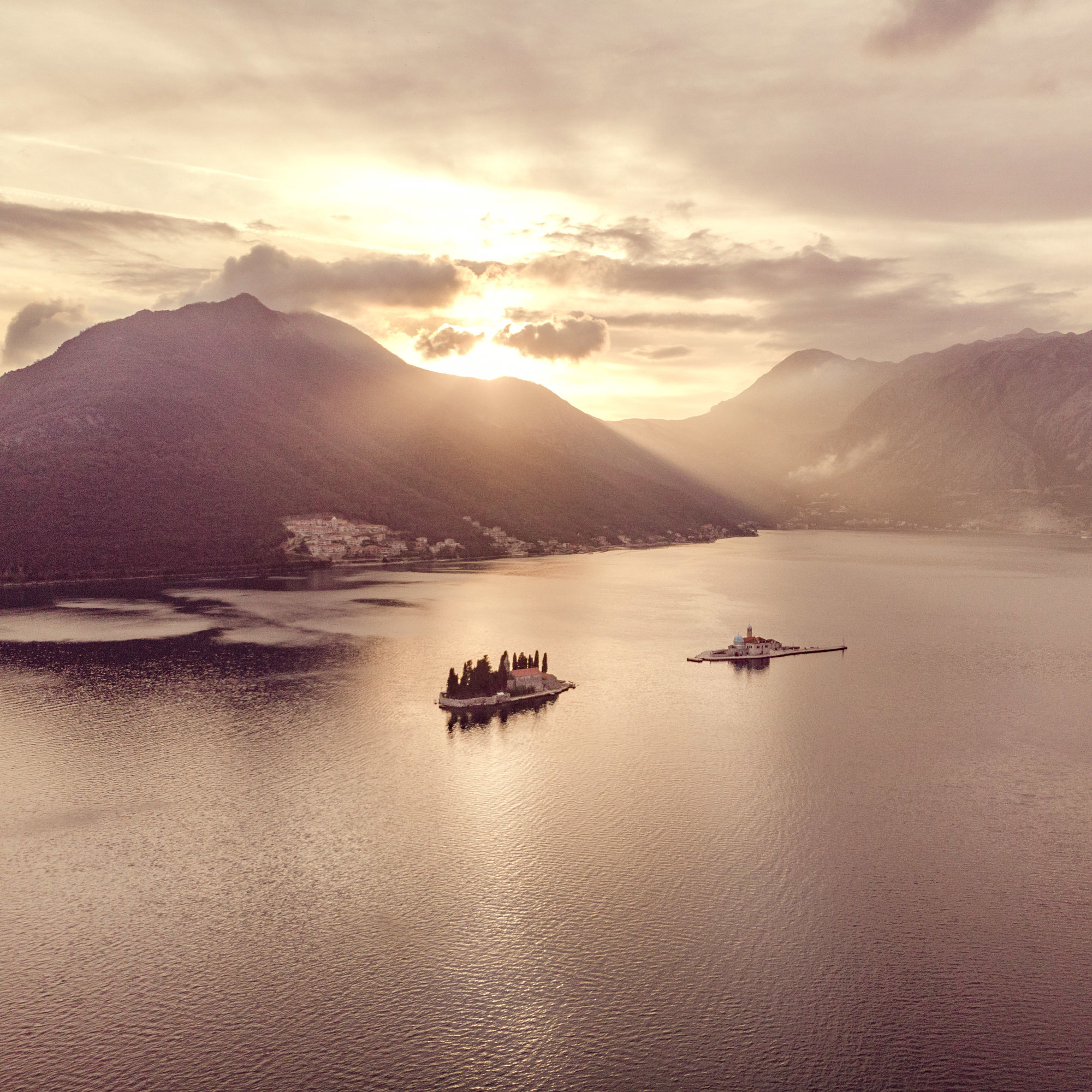
Our Lady of the Rocks (Gospa od Škrpjela) and St. George Island in Perast
Thailand Koh Kood

Two days in Venice in February
Bali. Place where dreams came truth